Teach Your Cat to Fetch
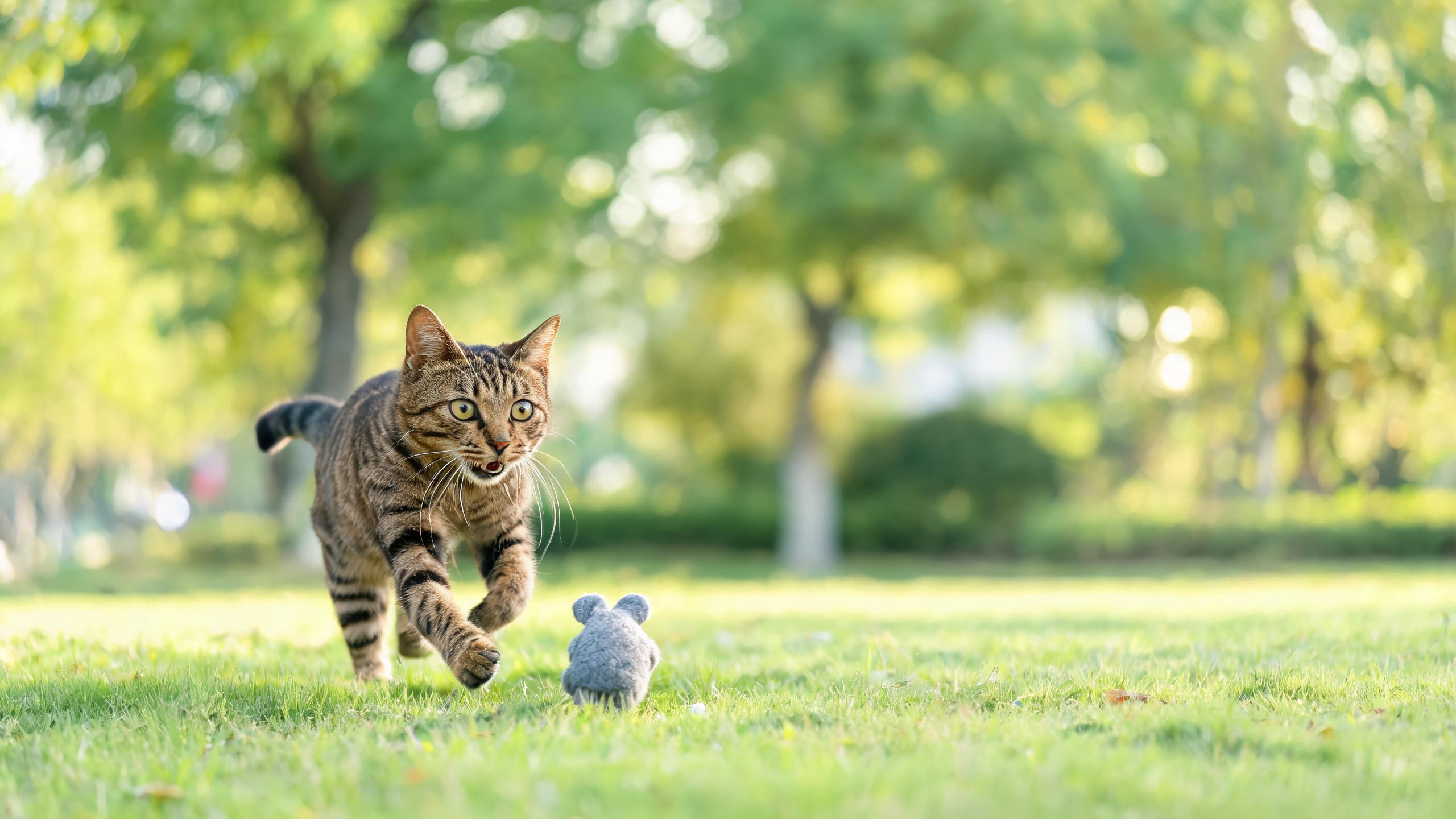
Want your cat to fetch like a pro? These 8 real tips make it easy and fun, turning playtime into mental and physical enrichment for your kitty. Ditch the dog-only fun!
Picture this: you're tossing a crinkly toy across the room, and instead of batting it under the couch, your cat actually brings it back. Dropped jaws all around. I've watched skeptical cat owners turn into believers after just a few sessions – it's that straightforward.
And honestly, why let dogs hog all the glory? Cats crave play too, especially when it taps into their hunter instincts. A 2019 University of Bristol study on feline behavior found that interactive play like fetch cuts stress hormones by up to 30% in cats, keeping them sharper and happier.
Quick Takeaways
- Start in a small, distraction-free spot to build confidence fast.
- Use your cat's absolute favorite toy – consistency is key.
- Time sessions right before meals for killer motivation.
- Reward with treats and praise to lock in the habit.
- Keep it fun and short: 3-5 minutes max per go.
Why Fetch Beats Boredom for Cats
Cats aren't couch potatoes by nature. They're wired for stalking, pouncing, chasing. But apartment life? It leaves them pacing or scratching furniture out of sheer frustration. Fetch fixes that.
I've seen it firsthand with a friend's tabby who was wrecking curtains. After two weeks of daily fetch, the shredded fabric stopped, and the cat slept like a baby. Play with purpose builds muscle, burns energy, and sharpens their brain. Not gonna lie, it's my favorite way to bond – no lectures, just pure joy.
> Play isn't just fun; it's your cat's ticket to a longer, friskier life.
Ever noticed how some cats perk up at the sound of a specific squeak? That's your cue. They're ready to learn.
Want to support your pet's skin, coat, and joints naturally? Try PetJesty's Vegan Omega Oil — 100% plant-based, developed with vets.
Set the Scene: Space and Toy Choices
But where do you even start? Pick a hallway or bathroom first. Small spaces mean fewer hiding spots for the toy, and your cat can't bolt off on a tangent.
Toy selection? Trial and error, but watch what they obsess over. Crumpled foil for some, a feather wand for others. One of mine goes nuts for a lightweight pom-pom ball – jingles just right. Use the same toy every time. Rotate later if you want, but consistency glues the game together.
Store it out of sight, like in a high shelf. Pull it out only for fetch. That rarity? It amps up excitement. Open the drawer, and bam – they're at your feet.
Pro Tip on Toy Storage
Keep it sacred. If it's always around, it turns into just another catnip mouse. Special status makes them crave the game.
Timing and Rewards: The Secret Sauce
Here's the thing: cats learn best when they're primed. Hit play when they're wide-eyed and stalking shadows, say 20 minutes before dinner. Hunger fuels focus.
Operant conditioning works wonders here – reward what you want, ignore the rest. Toss the toy, say "fetch" clearly. They bring it back? Jackpot: treat plus "good fetch!" No scolding if they bail; that kills the vibe.
A study from the Journal of Veterinary Behavior backs this: positive reinforcement speeds skill pickup by 40% in felines versus punishment. Treats could be kibble bits to keep calories in check.
Step-by-Step: Marking and Dropping Tricks
Start simple. Call their name, toss short, praise the return. Say "good fetch" right as they drop it – that timing stamps the word in their head.
Stuck with a drop-refuser? Flash a treat. Most cats swap toy for snack in seconds. Snag the toy quick, treat up, praise on. Repeat. They'll get it.
And build value. Never free-access to that toy. It's fetch-only gold. After a week, mine would hear the cabinet creak and zoom in, tail high.
I've got this one client story – her Siamese ignored toys forever. We marked every return with a clicker and tuna flake. By session five, she was fetching across the living room. Cats are smart; they just need the right nudge.
Level Up: From Solo to Squad Play
Mastered basics? Time to expand. Rope in a buddy for hallway relays – toss over kitty's head, back and forth. Teaches them to fetch from anyone.
Or graduate to longer throws in a bigger room. Add obstacles like pillows for that hunter thrill. My opinion? This beats laser pointers hands-down; it's interactive, not solitary.
But don't overdo it. Sessions of 3-5 minutes, two or three times a day. They might nail two fetches then quit – respect that. End on a high note.
Troubleshooting Common Hiccups
- Ignores the toss? Shorter distance, more energy in your throw.
- Hides the toy? Confined space prevents it; praise retrieval hard.
- Bored quick? Vary praise tone or add a spin command.
The Real Payoff: Healthier, Happier Cats
Fetching isn't gimmicky. It mimics hunting cycles: chase, capture, return. That slashes obesity risk – indoor cats pack on pounds without it. Plus, mental perks: less anxiety, fewer vet visits for stress issues.
Pair it with good nutrition, and you're golden. If your cat's coat looks dull from all that play sweat, something like a vegan omega oil can help restore shine without fishy burps. PetJesty's got a solid one that fits right in.
Cats who fetch age better too. Less joint stiffness from active days. One vet I know swears by it for seniors – keeps them nimble.
And look, not every cat will be a fetch phenom. Breeds like Bengals or Abyssinians dive in faster, but even Persians can surprise you. Patience wins.
We've all got that lazy loaf moment, but coaxing out their wild side? Priceless.
Short bursts build success layers. They fetch once? Celebrate. Twice? Party. Force it, and poof – motivation gone.
This isn't about perfection; it's shared giggles. Your cat zooming back with that toy? Peak cat ownership.
That's the scoop on turning your cat into a fetch fiend. Here at Royal Pet, we're all about simple ways to amp up your pet's spark – PetJesty supplements included for those extra health edges. Grab a toy and give it a whirl. Your cat might just thank you with a midnight game.
Happy playing, Fiona