The Role of Varied Textures in Your Dog's Meals
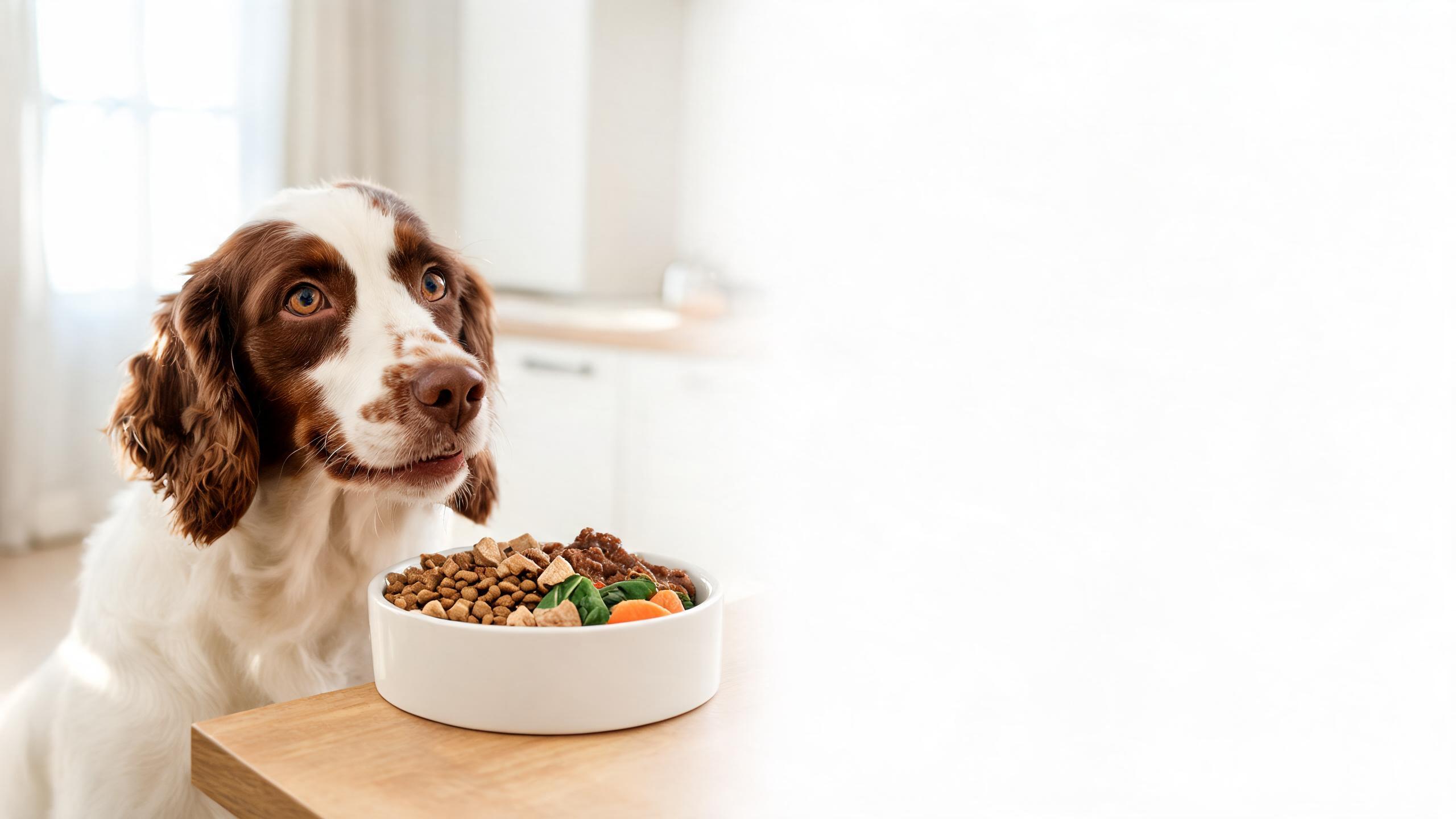
Discover how mixing different food textures can add interest to mealtimes while supporting balanced nutrition for your dog.
Why Texture Variety Can Help Mealtime Interest
Dogs often enjoy a mix of textures because it makes eating more engaging. Combining dry kibble with softer options or adding vegetable pieces can provide gentle variety without changing the overall diet dramatically. Introduce changes gradually over several days to allow your dog's digestive system to adjust comfortably.
Practical Ways to Add Texture
- Mix a small amount of steamed carrot or green beans with regular food
- Offer a portion of soaked kibble alongside dry pieces
- Use a lick mat with a thin layer of wet food for enrichment
Monitor how your dog responds and adjust portions accordingly to maintain a healthy weight.
Balancing Nutrition Remains Key
Any additions should complement a complete and balanced diet. Plant-based sources such as algae oil can be included to provide nutritional support for overall wellbeing. Speak to your vet before making significant changes to feeding routines.
Creating Calm Mealtime Habits
Serve meals in a quiet spot away from distractions. Consistent timing helps many dogs feel secure. If your dog eats quickly, consider puzzle feeders that slow the pace while adding mental stimulation.
When to Seek Advice
If your dog shows sudden changes in appetite or chewing patterns, consult your vet promptly. Texture preferences can sometimes indicate dental comfort issues that need professional attention.