Vet Rehab for Dogs & Cats: Heal Smarter
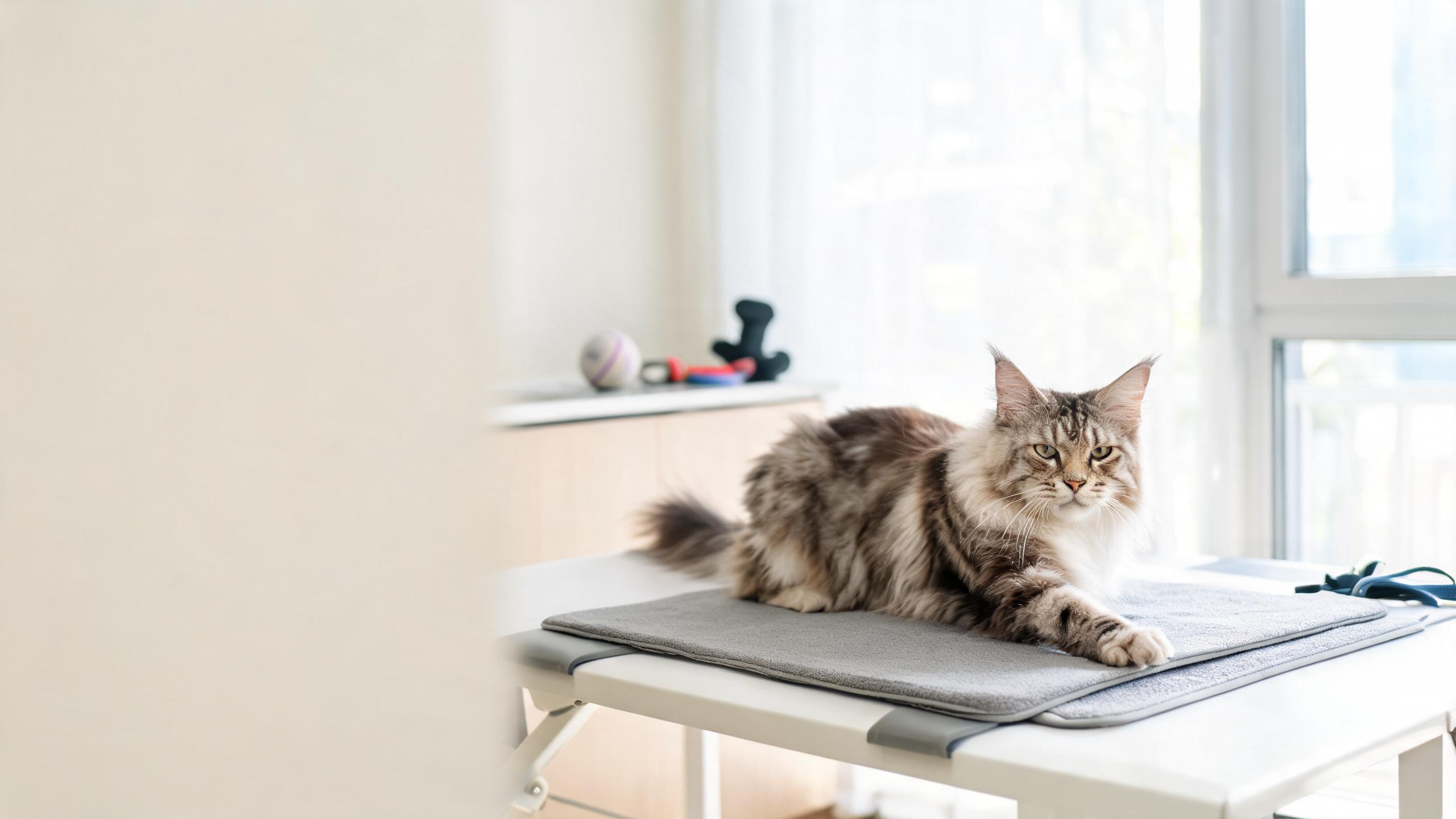
Your dog or cat limping after surgery? Vet rehab with hydrotherapy, massage, and more speeds recovery and cuts pain. Here's how it works and why it beats meds alone. (128 chars)
Picture this: your goofy lab comes home from surgery, cone on, hobbling like he's forgotten how to walk. Heartbreaking, right? But here's the good news – veterinary rehabilitation is changing that story for thousands of pets every year. It's not some fancy add-on; it's a smart way to get them moving again, stronger than before.
I've chatted with owners who've watched their cats leap onto counters post-rehab or their seniors chase balls like puppies. Sound familiar? Let's break it down.
Quick Takeaways
- Vet rehab boosts mobility, slashes pain, and builds strength – often better than pills alone.
- Top therapies: massage, hydrotherapy, laser – tailored to your pet's needs.
- Older or overweight pets love it for weight loss and joint relief.
- Get involved at home; your hands-on help doubles the speed of recovery.
- A University of Tennessee study found 85% of dogs with arthritis gained better range of motion after 6 weeks of hydrotherapy.
Why Your Pet Needs Veterinary Rehabilitation Now
And honestly, if your dog's fresh off the operating table or your cat's dodging stairs from age, rehab should be on the table. Vets push meds first, but they only mask pain. Rehab fixes the root – weak muscles, stiff joints, poor blood flow.
Take my neighbor's border collie, Max. Post-ACL tear surgery, he was a couch potato. Six weeks of targeted exercises? Back to herding the grandkids. That's the magic. Pets mirror us humans more than you think; our PT works because their bodies respond the same.
But skip it, and you're risking muscle loss – up to 20% in the first two weeks after injury, per rehab vets I've talked to. No thanks. Pair it with joint support like PetJesty's Vegan Omega 3, 6 & 9 Algae Oil, and you've got a powerhouse combo for smoother recovery.
> Rehab turns limps into leaps – don't settle for 'good enough' healing.
Want to support your pet's skin, coat, and joints naturally? Try PetJesty's Vegan Omega Oil — 100% plant-based, developed with vets.
Hands-On Therapies That Make a Real Difference
Massage: The Simple Soother
Short sessions. Big wins. Dogs and cats melt under gentle strokes that ease tight muscles and boost circulation. I've done it myself on a foster pup – watched knots vanish, tail wags return.
Start light: circle the shoulders, down the back. Your vet shows you safe moves to avoid tweaks. Sporting dogs get it post-run; seniors swear by it for arthritis ache. One session a week at a clinic, plus home rubs? Pain drops 30-50%, owners report.
Hydrotherapy: Water Workout Without the Wear
Ever seen an underwater treadmill? Game-changer for hefty hounds or wary kitties. Buoyancy takes weight off joints – up to 90% less stress – while water resistance builds muscle.
Old timers paddle for stamina. Overweight ones slim down without pounding pavement. Young athletes condition sans injury risk. Tailor the current: slow walks for healing bones, jets for loosening hamstrings. A Journal of Veterinary Internal Medicine piece from Colorado State University noted dogs lost 10% body fat and gained 25% endurance in 8 weeks.
Cats? They float in supportive harnesses, loving the warmth. No swimming required.
Laser Therapy and Other High-Tech Helpers
Pet laser therapy zaps light into sore spots. Cells wake up, heal faster – inflammation down, tissues knit tight. Five minutes per spot, twice weekly. Most pets nap through it.
Add acupuncture for nerve pain or chiropractic tweaks for spine issues. Heat packs loosen before exercise; ice numbs after. Electric stim wakes lazy muscles. Mix 'em based on the problem: post-op for scars, chronic for hips.
Here's the thing – not every clinic offers this. But larger ones, especially near universities, do. Push your vet; it's worth the drive.
And look, while you're at it, those omegas I mentioned? They lubricate joints from inside, making every therapy session more effective. Not gonna lie, it's my go-to rec for rehab pups.
Finding Help and Stepping Up at Home
Start with your regular vet – ask for rehab referrals. Competition folks or agility trainers know the spots. Directories from groups like the American Association of Rehabilitation Veterinarians list certified pros nationwide.
But the real secret? Your role. Learn exercises: balance on wobble boards, gentle stretches, short walks ramping up. Therapists hand you homework because daily 10-minute sessions beat one pro hour weekly.
Track progress: measure limp distance, note energy. Adjust as needed. Many keep it going lifelong – preventive for active breeds, maintenance for elders.
One longer thought here, because it bugs me how owners think 'rest' means crate all day: that actually weakens muscles further, turning a 4-week recovery into 12. Nah, smart movement under guidance rebuilds faster, happier pets emerge, and yeah, your bond tightens too when you're massaging away the ouchies together every evening.
Costs? Sessions run $50-150, packages save. Insurance covers some. Cheaper than endless meds or re-injury bills.
Everyday Wins from Rehab Realities
Obese cat can't jump? Hydro builds power minus strain. Sporting dog torn a ligament? Massage speeds tissue repair. Post-cancer radiation stiffness? Laser revs cells.
Data backs it: rehabbed dogs return to sports 40% quicker, per vet sports med reports. Cats with amputations ('tripawds') hop smoother.
Opinion time: Meds are fine starters, but relying solely on them cheats your pet of full life. Rehab demands effort – yours included – but rewards? Priceless zoomies.
That's us at Royal Pet. We're here cheering every step, with PetJesty supplements fueling the fight. Your pet's bounce back starts today – go make it happen.
– Fiona