Weaning Kittens: When and How to Do It Right
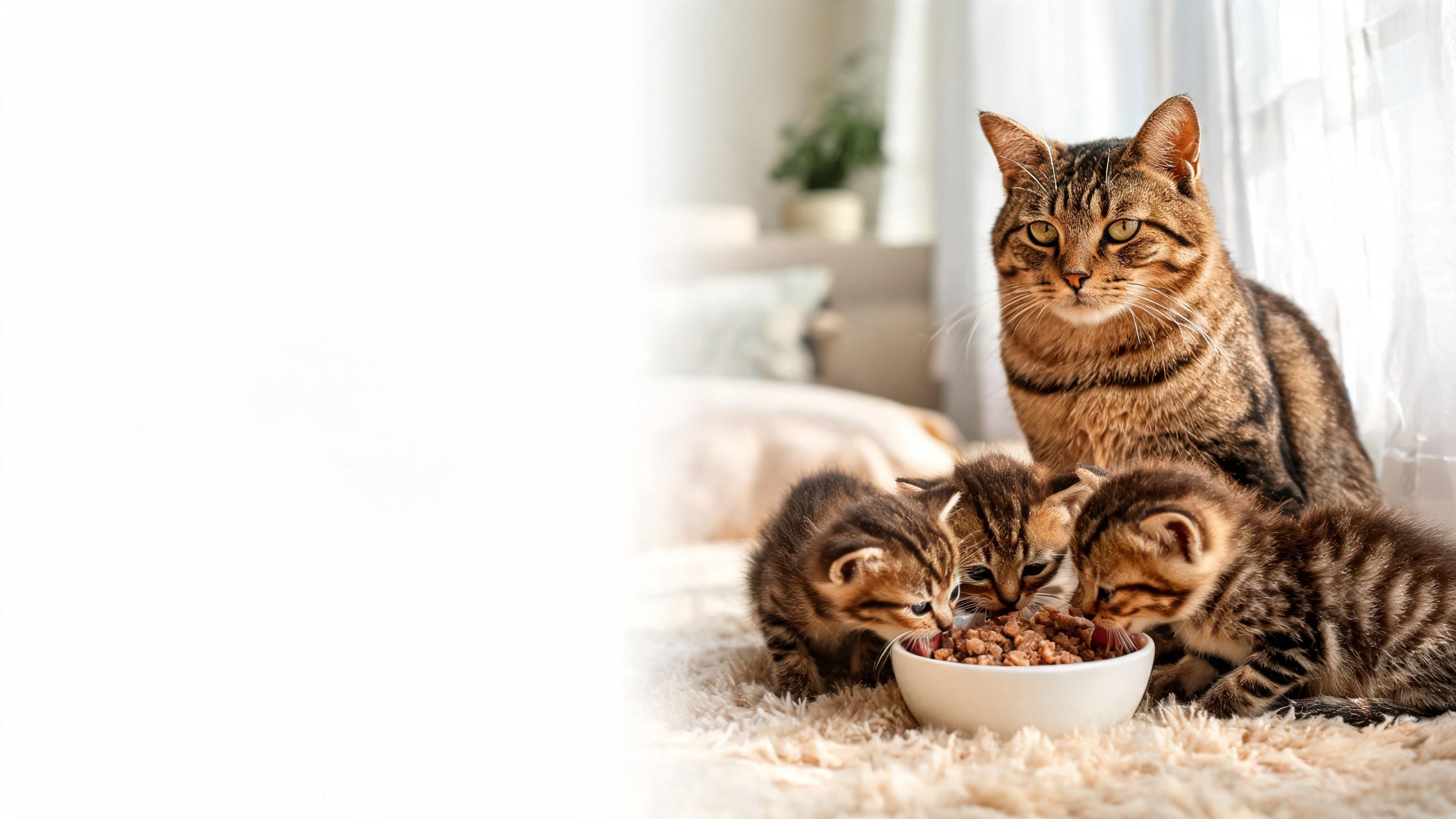
Discover when kittens are ready for solid food, a step-by-step weaning guide, and tips to avoid common pitfalls. Keep your little ones healthy and happy through this key milestone.
Picture those fluffy kittens you've been bottle-feeding or watching nurse from mom suddenly sniffing at her food bowl. Heart-melting, right? But that curiosity signals it's time for weaning – and getting it wrong can set them up for tummy troubles or worse.
I've helped friends through this a dozen times, and honestly, it's easier than it looks if you know the signs and steps. Kittens typically start around 4 weeks old, but let's break it down so you nail it.
Quick Takeaways
- Kittens show weaning readiness at 3-4 weeks: more mobile, baby teeth popping in, eyeing solids.
- Start with canned kitten food mixed with formula; transition to dry by 8 weeks.
- Whole process takes 2-4 weeks – no rushing, or you risk behavior issues.
- Always pick AAFCO-approved kitten formulas for balanced growth.
- Fresh water from 4 weeks; monitor weight gain daily.
What Weaning Means for Tiny Kittens
Weaning isn't just swapping milk for kibble. It's your kitten stepping into independence – exploring, playing, chomping on real food. By the end, they're off the bottle or mom's milk entirely.
And it lines up with big changes. Those deciduous teeth – the sharp little baby canines and incisors – erupt right around then, perfect for tearing into soft food. A 2021 study from the Journal of Feline Medicine and Surgery noted that properly weaned kittens gain weight 20% faster in their first months, hitting key growth markers.
But here's the thing: every litter's different. Some bold ones at 3 weeks are lapping up gruel; others hang back till 5. Watch close.
Want to support your pet's skin, coat, and joints naturally? Try PetJesty's Vegan Omega Oil — 100% plant-based, developed with vets.
Spotting the Green Light for Solids
How do you know? Look for these tells.
- Mobility boost: They're wobbling around, not just suckling blobs.
- Teeth check: Feel gently – incisors and canines should be in.
- Playful curiosity: Batting at toys, peeking at mom's bowl.
Ever seen a kitten reject the bottle but paw at your finger? That's your cue. Not gonna lie, I've pushed too early once with fosters – led to picky eaters later. Better late than sorry.
Mom cats often handle weaning solo by 6-8 weeks, but if you're fostering orphans, you're the boss. Just don't yank them cold turkey.
Your Step-by-Step Weaning Plan
Let's make this foolproof. Patience pays off.
Pick Kitten-Specific Food First
Grab canned or wet food labeled for growth-stage kittens – check for that AAFCO statement guaranteeing it meets all needs. Dry kibble comes later.
PetJesty's got solid kitten nutrition options that pair well here, but any quality growth formula works. No skimping; these guys need 2-3 times the calories per pound as adults.
Short Separations if Mom's Around
Separate kittens from mama for 30-60 minutes around meals. Gives them hunger drive to try solids. Set up food, water, litter nearby for all.
> "Weaning's about gentle nudges toward self-reliance, not boot camp." – Words I've lived by with every litter.
Don't go full isolation early. Risks aggression or bonding glitches down the line.
Kick Off with Wet Food Mix
Mix warm water or kitten formula with canned food till it's soupy gruel. Spoon it, finger-feed, or shallow dish it.
Start small: teaspoon portions, 4-6 times daily. Gradually amp the food, cut the liquid over 3-7 days. They'll lap it up.
Once hooked, ditch bottle feeds unless weight stalls. Aim for 4-6 meals/day, matching package guidelines – say, 1/4 can per meal for a 1-pound kitten.
And track gains: 4-8 grams daily normal. Scale 'em weekly.
Shift to Dry Kibble
At 5-6 weeks, soak kibble in warm water or formula. Same drill: increase solids, decrease liquid.
By 8 weeks, most are crunching dry solo. But vary it – some thrive mixed wet-dry lifelong.
Timeline, Water, and Watch-Outs
Expect 2-4 weeks total. Fully solid by 8 weeks, kitten chow till 12 months before adult switch.
Water? Offer shallow (2 inches max) from 4 weeks. They get hydration from wet food early, but kibble drinkers guzzle.
Pro tips to smooth it:
- Mess management: Playtime + food = fur burgers. Wipe 'em post-meal.
- Freshen food every 3-4 hours; no cow milk – diarrhea city.
- Daily weighs; vet stat for vomit, loose stools, or apathy.
One litter I fostered? The runt lagged, needed formula top-ups till 6 weeks. Turned into a tank now.
But rushing? Big no. Early weaning spikes anxiety per University of California Davis vet research – those kittens bite more as adults.
Here's a slightly longer thought on why timing matters so much: you see, kittens' guts mature slowly, enzymes ramping up for proteins and carbs around 4 weeks, so slamming solids preps digestive chaos, but waiting too lets milk dependency drag, stunting growth – balance it with those cues, and you've got thriving fluffballs racing to adolescence.
Common Hiccups and Fixes
Stalls happen. If no eating, hand-feed gruel. Weight drop? Formula bridge.
Diarrhea from dairy? Swap to lactose-free kitten milk replacer.
Socialization bonus: Wean with littermates. Solo kittens get weird.
I've opinion to share: Folks overthink dry vs. wet forever. Wet's gentler start, but kibble builds teeth – mix 'em for wins.
And fostering? Double love – you're molding lifelong health.
Wrapping this up feels right now that you've got the roadmap. At Royal Pet, we're all about these milestones with PetJesty nutrition backing you up. Your kittens will thank you with purrs and zoomies.
Chat soon, Fiona