When Can Puppies Eat Solid Food?
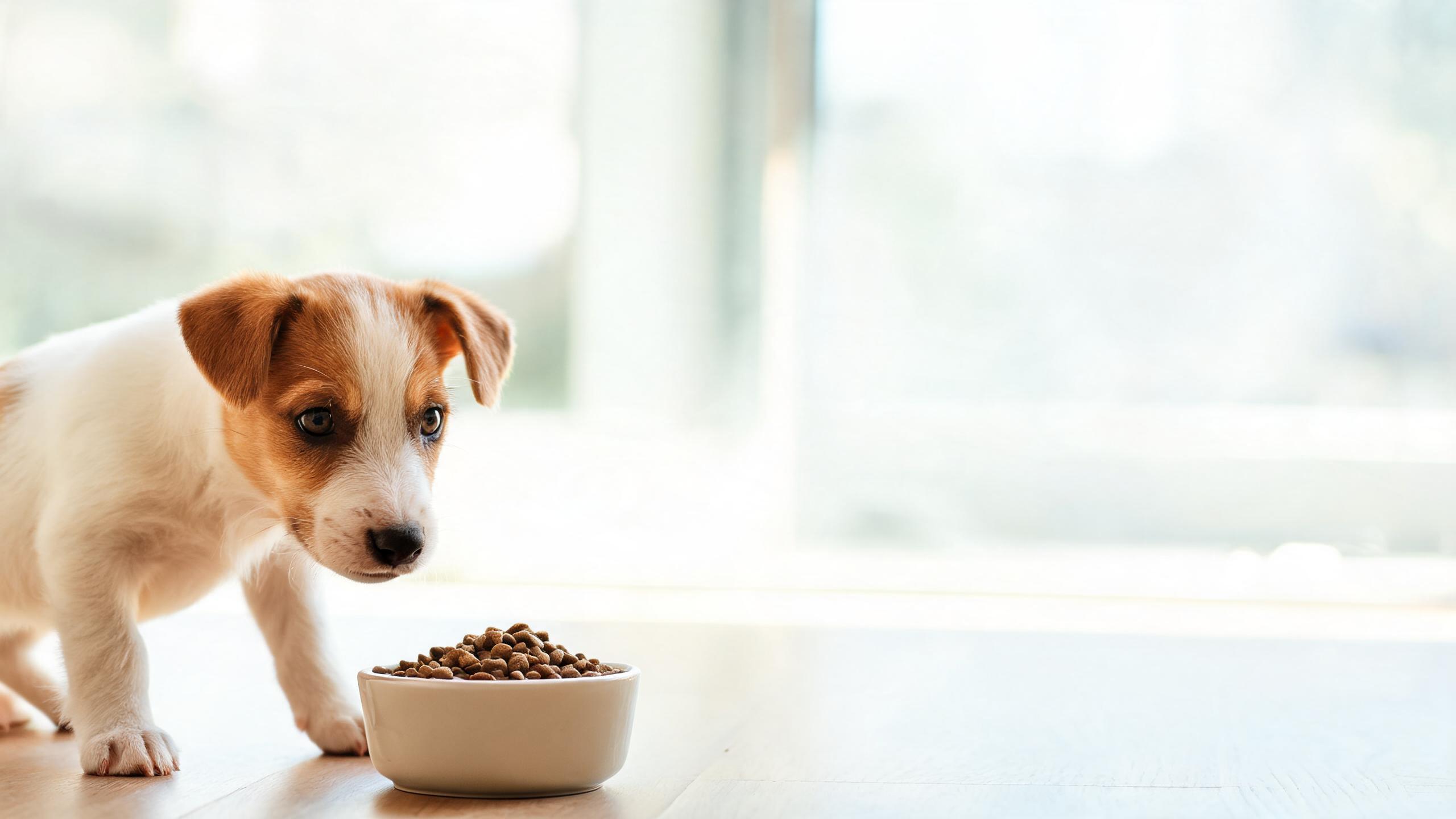
Wondering when puppies switch to solid food? Get the full weaning timeline, step-by-step tips, and food choices for a stress-free transition to puppy kibble and wet food.
Imagine those fluffy little balls of energy, barely bigger than your hand, suddenly nosing around a bowl of mush. It's equal parts adorable and nerve-wracking. Weaning puppies from milk to solid food kicks off around 3-4 weeks old, but it drags on until 6-8 weeks. If you're raising a litter or just got a young pup, this shift is huge.
I've watched new owners panic over it, thinking their pup's rejecting food when really, it's just nature's pace. Here's the thing: get it right, and you set up a lifetime of good eating habits.
Quick Takeaways
- Weaning starts at 3-4 weeks with soft gruel; fully solid by 6-8 weeks.
- Offer food 4 times a day early on, mixing wet puppy food with milk replacer.
- Puppies need water access from 5 weeks, but milk handles hydration first.
- Stick to puppy food until growth stops: 10 months for small breeds, up to 24 for giants.
- Always chat with your vet for breed-specific tweaks.
Why Weaning Timing Matters for Puppy Health
Puppies rely on mom's milk or a replacer for the first 3 weeks—it's packed with antibodies and perfect fats. Around week 4, their tiny teeth poke through, signaling solid food time. A report from Cornell University College of Veterinary Medicine highlights how proper weaning supports gut health and prevents diarrhea spikes common in rushed transitions.
But every litter's different. Mom dogs naturally cut milk access at 4-5 weeks, nudging pups to solids. If you're bottle-feeding orphans, start a tad earlier, but don't rush. Honestly, I've seen pups thrive when owners let instincts guide—force it, and you risk tummy troubles.
Sound familiar? That first messy face-dive into food? Wipe 'em down gently; it'll become routine.
Want to support your pet's skin, coat, and joints naturally? Try PetJesty's Vegan Omega Oil — 100% plant-based, developed with vets.
Step-by-Step: How to Wean Puppies at Home
Weaning isn't overnight. It's a gradual swap: less milk, more solids over weeks. Here's how it breaks down by age.
Weeks 3-4: Puppy Gruel Intro
Dip your finger in a mix of canned puppy food and warm milk replacer—make it soupy soft. Let the pup lick it off. Then set a shallow dish down. They'll lap it up, messy but eager. Feed 4x daily, but milk's still main nutrition. No forcing; try next meal if they're shy.
Weeks 5-6: Building to Chunks
Ditch the replacer now. Straight canned food or softened kibble—pour warm water over dry puppy food, mash with a fork. Pups chow down with enthusiasm. Still 4 meals, minimal milk left.
And by now, they're eyeing water bowls too.
Weeks 6-8: Full Solid Switch
Crunch time—literally. Reduce water in kibble till it's dry. Most pups handle wet or dry puppy food solo. Keep them with littermates till 10 weeks for socialization; siblings teach bite inhibition better than any toy.
> "Patience during weaning builds confident eaters—rushing leads to picky adults." – A vet tip that's saved many a meal time meltdown.
One litter I knew took to softened kibble like pros at 5 weeks, but the runt needed an extra week of gruel. Adjust per pup.
When Do Puppies Start Drinking Water?
Water rolls in with solids. At 3-4 weeks, gruel's moisture covers it—offer a bowl anyway, but don't sweat if ignored.
By 5-6 weeks, as milk fades, they'll sip more. Fresh water always available when awake. At 6-8 weeks, bowl's their go-to. Watch intake; vet if peeing's off.
Puppies guzzle 1/2 to 1 ounce per pound of body weight daily once weaned. Track it loosely.
Picking Puppy Food for Weaning Success
No magic food fits all, but aim for AAFCO-approved puppy formulas—higher protein (22-32%), fats for brain growth. Soft wet for starters, then kibble.
For big breeds over 50 pounds adult size, grab large-breed puppy food early; it dials calcium for joint health. Not gonna lie, I prefer formulas without fillers—keeps stools firm.
Mixing tips:
- Warm water + kibble = instant soft mash.
- Canned pâté blends easy.
- Transition slowly over 7 days to avoid upset.
Ever wondered why some pups snub food? Stress or new smells. Familiar scents help. At Royal Pet, our nutrition line supports growing pups with balanced blends—think of PetJesty as a gentle boost if joints or coat need extra love later.
Switching from Puppy to Adult Food
Puppy food's growth fuel—switch when height growth stops, not weight.
- Small breeds: 10 months.
- Medium: 12 months.
- Large/giant: 18-24 months.
A University of Florida vet study on breed growth curves backs this; early switches risk bone issues in big dogs. Your vet knows your pup's curve best—X-rays if needed.
Here's a meandering thought: I remember fostering a lab mix who stayed on puppy chow till 20 months because she shot up late; by 2, she was lean and lively on adult food, no hip woes. Listen to your dog, not the calendar.
But giants like Great Danes? Stick longer—overfeeding calories early packs on fat, not muscle.
Smooth transitions beat crashes. Mix old and new over a week, watch stools and energy.
Raising puppies through weaning? It's chaotic joy. You've got this—strong starts make sturdy adults. That's what we're all about here at Royal Pet, fueling those puppy adventures with PetJesty quality.
Stay pawsitive, Fiona