Why Cats Wiggle Before Pouncing
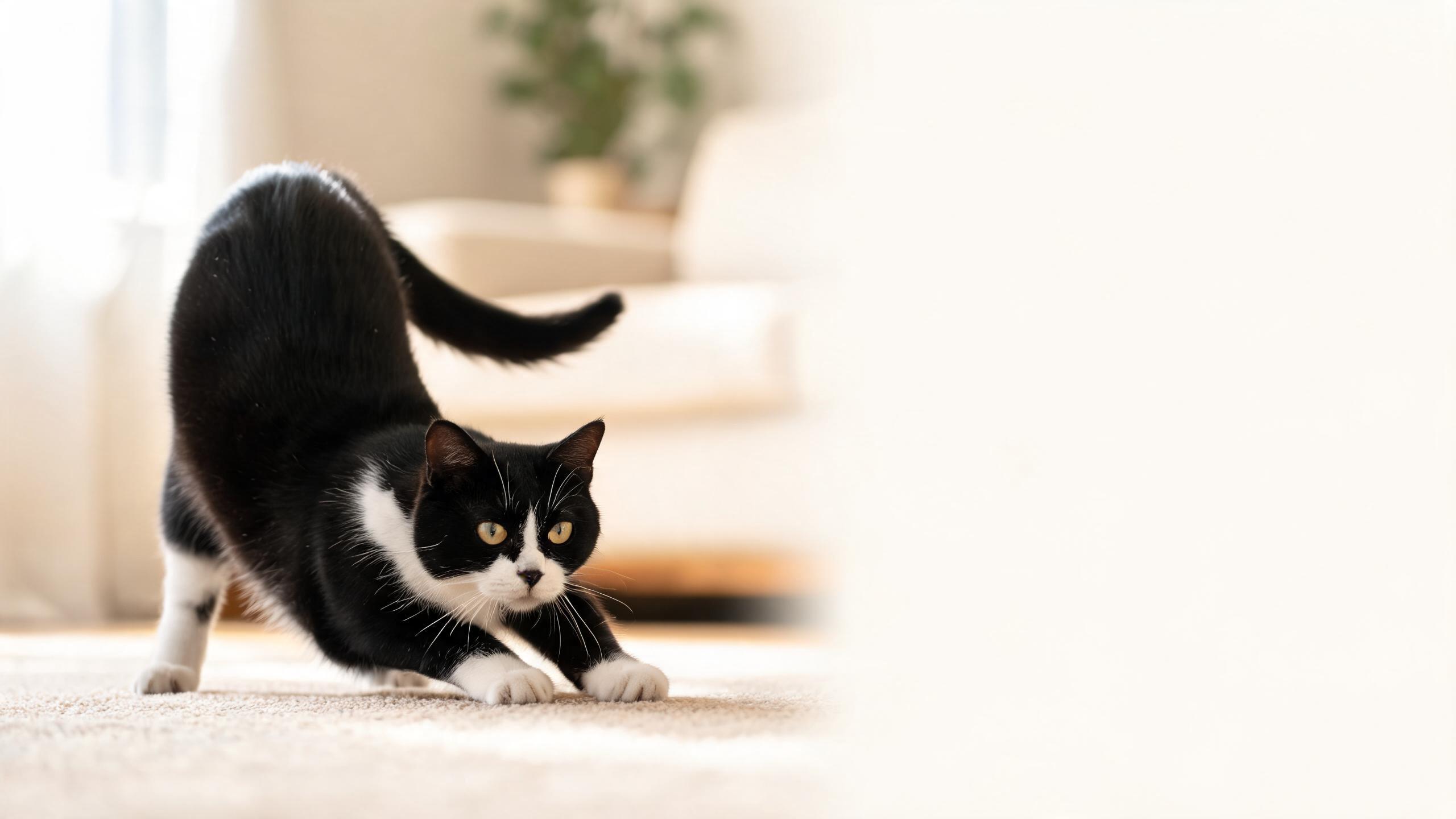
Seen your cat's butt wiggle before a pounce? It's not just cute—it's their way of prepping for the hunt. Unpack the science, instincts, and fun behind it all.
Picture this: your cat's locked onto that feather wand, body low, eyes laser-focused. Then comes the wiggle—the classic butt shake right before launch. I've laughed at this a hundred times with my own cats, but it got me wondering: what's the deal?
Quick Takeaways
- Stability boost: The wiggle tests ground traction and balances their body for a powerful leap.
- Muscle prep: It warms up hind legs for that synchronized push-off.
- Dopamine fun: Play hunting spikes pleasure chemicals, making the wiggle addictive.
- Learned instinct: Kittens start at 6-7 weeks, copying mom to perfect it.
- Watch for more: Tail twitches and wide eyes signal pounce time.
That Stability Trick Cats Pull Off
Cats don't walk like they pounce. Walking? One hind leg at a time, nice and steady. But for the kill shot on prey—or your toy mouse—both back legs fire together. Boom: more power, speed, distance.
Here's the thing. That surface under their paws better hold up. A slip means no dinner, or worse, a twisted ankle. So they wiggle. Back and forth, digging claws in, feeling for grip. Researchers at Cornell University's College of Veterinary Medicine observed this in lab tests with motion-capture tech; cats who wiggled launched 20% farther without slipping.
And it's not just rugs. I've seen my tabby test hardwood floors the same way before going airborne after a laser dot. Smart, right? Misjudge it, and that toy escapes—or you end up with a vet bill.
Want to support your pet's skin, coat, and joints naturally? Try PetJesty's Vegan Omega Oil — 100% plant-based, developed with vets.
Warming Up for the Big Leap
But wait, it's more than grip. That wiggle revs the engine. Small shifts stretch those powerful hindquarter muscles. Think mini aerobic bursts: heart rate up, blood flowing, ready for explosion.
Cats need precision. One off step, and the pounce flops. The wiggle buys seconds to line up the attack, eyes on target, body coiled. It's like an athlete shaking out before a sprint.
> "Cats are born athletes—every wiggle hones that edge for survival." – Feline behavior insight I've always loved.
Because It's Downright Fun
Look, not gonna lie. Sometimes it's pure joy. Hunting play floods their brain with dopamine—that feel-good rush behind excitement and reward. The wiggle? Might just amp that high, burning off the buzz before the pounce.
Ever notice your cat does it more with favorites, like crinkle balls or daisy kickers? Exactly. It's their party. A study from the Journal of Veterinary Behavior tracked play sessions; wigglers showed higher repeat engagement, like kids on a sugar rush.
Honestly, I think we underrate this. Indoor cats especially—they crave outlets. Deny it, and you get zoomies at 3 a.m. Let 'em wiggle; it's cheaper than therapy.
Do Kittens Nail It Right Away?
No way. Starts around 6-7 weeks. Wobbly at first, all flailing paws and misses. But watch a litter: mom stalks, crouches, wiggles, pounces. Babies mimic. Practice makes pro.
It's instinct wired in from wild ancestors—ambush predators extraordinaire. But learning refines it. By 12 weeks, they're pros. I've fostered litters; the improvement's night and day. One week clumsy, next? Predators in training.
Reading the Full Pounce Signal
Wiggle's the star, but cats telegraph more. Spot these, and brace:
- Dilated pupils: Adrenaline pupils go huge, staring unblinking.
- Forward ears and whiskers: All senses locked ahead.
- Tail twitch: Short flicks build tension.
- Creeping bursts: Belly low, hind legs tucked, inching close.
- Chatter or clicks: That excited teeth clatter at 'prey'.
Together? Pounce incoming. Great for play, but train boundaries early—no ankle ambushes. Toys on rotation keep it fresh.
And here's a meandering thought that always cracks me up: you know how some cats escalate to full-body quivers if the toy's just out of reach? It's like they're revving a tiny internal motor, whiskers twitching, tail thrashing side to side while they debate the perfect angle, and suddenly—wham!—the room shakes as they commit, only to overshoot and skid into the couch, looking mildly offended that physics dared intervene.
Keeping Hunting Happy at Home
Indoor life means no real hunts, so channel it. Variety rules: wand toys for stalks, kickers for wrestles, puzzles for smarts. Rotate weekly—boredom kills play.
Aim for 15-20 minutes daily. Tires 'em out, cuts mischief. If joints creak in older cats, soft surfaces help. Royal Pet's got options like our gentle play supplements to keep them spry, but toys first.
One opinionated bit: skip laser pointers alone. Tease without catch, frustration builds. Pair with fetchable toys. Happy cat, happy home.
Cats wiggle because they're wired for it—survival smarts mixed with sheer delight. Next time yours does it, smile. You're watching evolution in action, right on your living room floor.
That's the pet life we champion at Royal Pet—helping you nurture those instincts with real know-how. Got wiggle stories? Drop 'em below.
– Fiona