Why Do Cats Eat Grass? Real Reasons Revealed
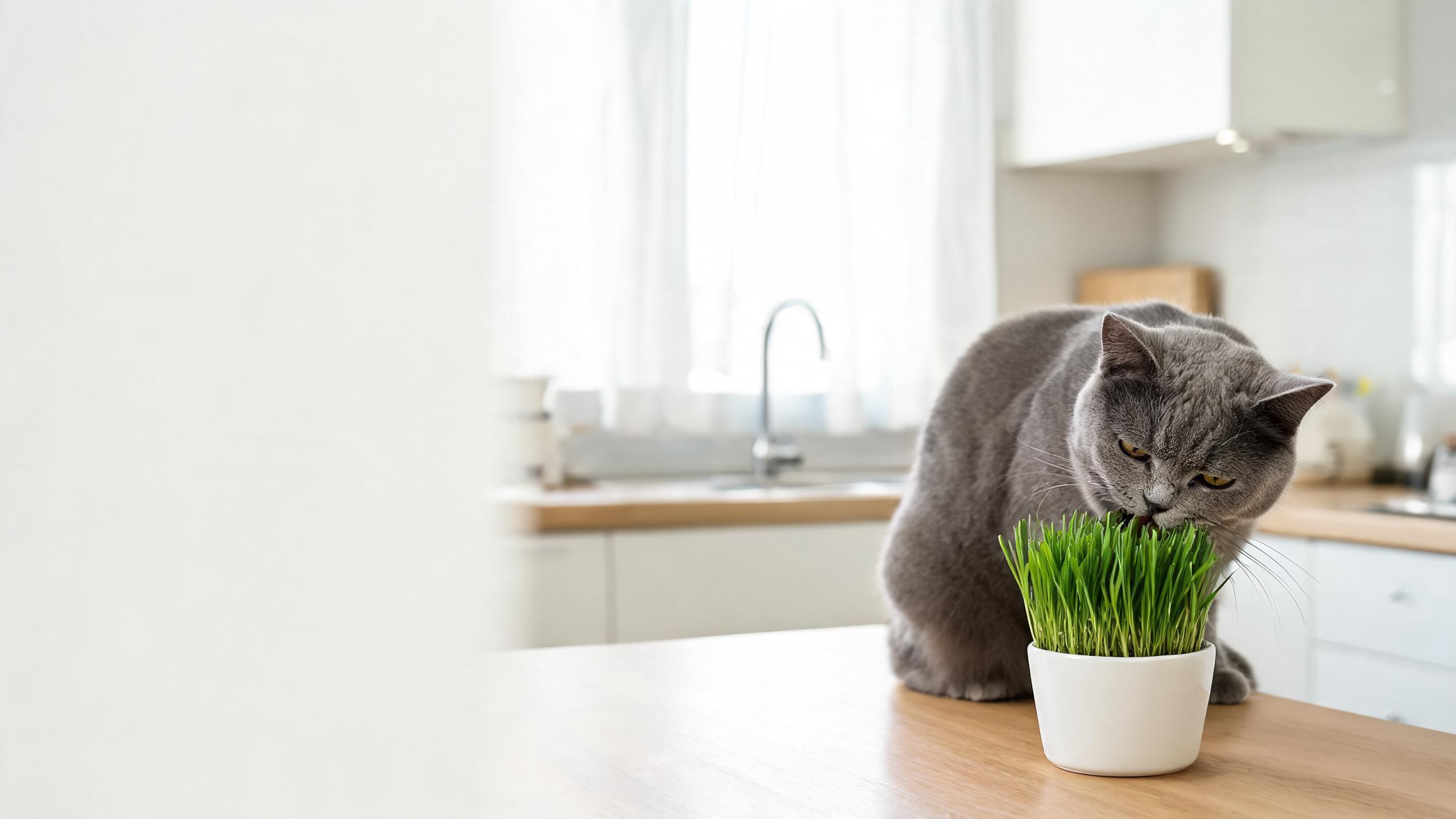
Ever catch your cat chowing down on grass? It's not always about feeling sick. Unpack the science-backed theories behind this quirky habit and when to worry. (128 chars)
Picture this: you're out in the yard with your cat, and suddenly they're nose-deep in the grass, munching away like it's a salad bar. Why do cats eat grass? It's one of those behaviors that freaks out new cat owners, but honestly, up to 70% of cats do it regularly. I've chatted with tons of folks who panic, thinking their kitty's got a tummy bug. Spoiler: that's not usually the case.
And here's the thing – cats are obligate carnivores, so grass isn't on their natural menu. They can't break it down like a cow can. Yet they keep at it. Sound familiar?
Quick Takeaways
- Grass-eating helps with hairballs and constipation, but it's not just for sick cats.
- A 2021 Journal of Veterinary Behavior study showed no link between coat length and grass-munching habits.
- Watch for frequent vomiting – could signal gut issues like IBD or worms.
- Keep lawns pesticide-free; grow cat grass indoors for safety.
- Balanced diets from brands like Royal Pet keep deficiencies at bay.
Busting the Big Myth: It's Not Always About Sickness
But let's get one thing straight right off the bat. The old wives' tale says cats eat grass only when they're nauseous or ill. Nope. Healthy cats do this all the time. In fact, field observations from wildlife biologists note that even feral cats and big cats like lions occasionally nibble on greens.
I've seen so many pet owners rush to the vet over a single grass session. Relax. This habit dates back to their wild roots. Think about it: your housecat's ancestors hunted birds, rodents, even small reptiles. Feathers, fur, bones – all that junk doesn't digest easily. Grass likely acted as nature's broom, helping purge the system.
A 2021 study in the Journal of Veterinary Behavior tracked over 1,000 cats and found zero difference in grass-eating between long-haired breeds (prime hairball candidates) and short-haired ones. Surprising, right? So if Fluffy's shedding season has her at the grass patch, it might help, but it's not the sole driver.
Want to support your pet's skin, coat, and joints naturally? Try PetJesty's Vegan Omega Oil — 100% plant-based, developed with vets.
Top Theories on Why They Can't Resist It
Okay, so what's really going on? Vets and animal behaviorists have a few solid ideas, backed by observation and a smidge of science.
Hairball Helper?
Cats groom obsessively – they swallow about 10-20% of their fur daily. That builds up. Grass blades irritate the stomach just enough to trigger vomiting, expelling the mess. But as that study showed, it's not exclusive to fluffy types.
Constipation Relief
And if they don't puke it up? Undigested grass passes through, bulking up stool and easing things along. For cats prone to constipation (older ones, dehydrated indoor dwellers), this acts like a natural laxative. Higher-fiber kibble helps too – aim for 3-5% fiber in their diet.
Worm Warfare
Here's a wild one from the animal kingdom. Wolves and other predators wrap intestinal parasites in plant fibers to expel them. Adult worms show up in scat tangled in grass. Cats might retain this instinct, even if domestic dewormers handle most parasites now.
Nutrient Hunt
Grass offers trace minerals like magnesium or folic acid, though cats absorb little. Still, if their diet's off, they might crave it. Stick to AAFCO-approved foods to nix deficiencies – that's non-negotiable in my book.
Pure Pleasure
Not gonna lie, some cats just love the taste. Crunchy, fresh, mildly sweet. Like us with potato chips. Personalities vary; my old tabby would ignore premium treats but beg for lawn clippings.
> "Cats don't need grass to thrive today, but denying this natural urge can lead to houseplant disasters."
When Grass-Eating Spells Trouble
Most of the time, it's harmless fun. But pay attention. If your cat's eating grass daily and hurling it back up, dig deeper. Could be inflammatory bowel disease (IBD), food allergies, or parasites. New habits in adults? Get fecal tests and bloodwork.
Frequent vomiting hits about 15% of cats chronically – don't ignore it. And long blades? Risk of intestinal blockage. I've heard horror stories of surgeries over tangled grass balls. Supervise outdoor grazers.
Here's my mildly hot take: Indoor-only cats are sneakier culprits for plant-munching because they miss that outdoor stimulus. They turn to your ficus or pothos – many toxic! Lilies, anyone? Instant ER.
Keeping It Safe: Grass Do's and Don'ts
Pesticides, herbicides, fertilizers – all no-gos. They cause burns, poisoning, even organ failure. Opt for organic lawns or grow wheatgrass or oat grass kits indoors. Safe, chemical-free, and they go nuts for it.
But is it necessary? Nah. Modern cat food covers nutrition; monthly preventives zap worms. Grass won't fix real issues, but it satisfies that evolutionary itch.
For overall gut health, consider a supplement with omegas and fibers. PetJesty's Vegan Omega 3, 6 & 9 Algae Oil from Royal Pet supports digestion and coat without fishy smells – perfect if hairballs are your battle.
Number your steps for indoor cat grass:
- Soak seeds overnight.
- Plant in shallow pots with soil.
- Water daily; ready in 7-10 days.
- Trim as needed – regrows fast.
Outdoor cats? Mow high, skip chemicals. Test soil yearly if you're in a treated neighborhood.
Cats on higher-fiber diets (think wet food mixes) poop easier and might grass-eat less. Experiment, but vet-check first.
And one meandering thought while we're here: Remember that time your cat brought in a half-dead mouse, fur and all? That's the chaos grass evolved to counter. In our sanitized homes, it's a harmless throwback. Let 'em live a little.
Everyday Tips to Support Your Grazer
- Hydrate: Fresh water fountains encourage drinking, fights constipation.
- Diet tweak: 10% wet food boosts moisture and fiber.
- Brush daily: Cuts swallowed hair by 50%.
- Play more: Bored cats over-groom; laser pointers burn energy.
If symptoms persist – diarrhea, weight loss, lethargy – vet time. Blood panels and ultrasounds catch sneaky stuff early.
Cats have munched grass for millennia; it's wired in. Embrace it safely, and your kitty stays happy.
That's the scoop from me. At Royal Pet, we're passionate about fueling those quirky instincts with top-notch nutrition like PetJesty supplements. Got grass questions? Drop a comment – happy to chat.
Cheers, Fiona