Why Do Cats Knead Their Paws?
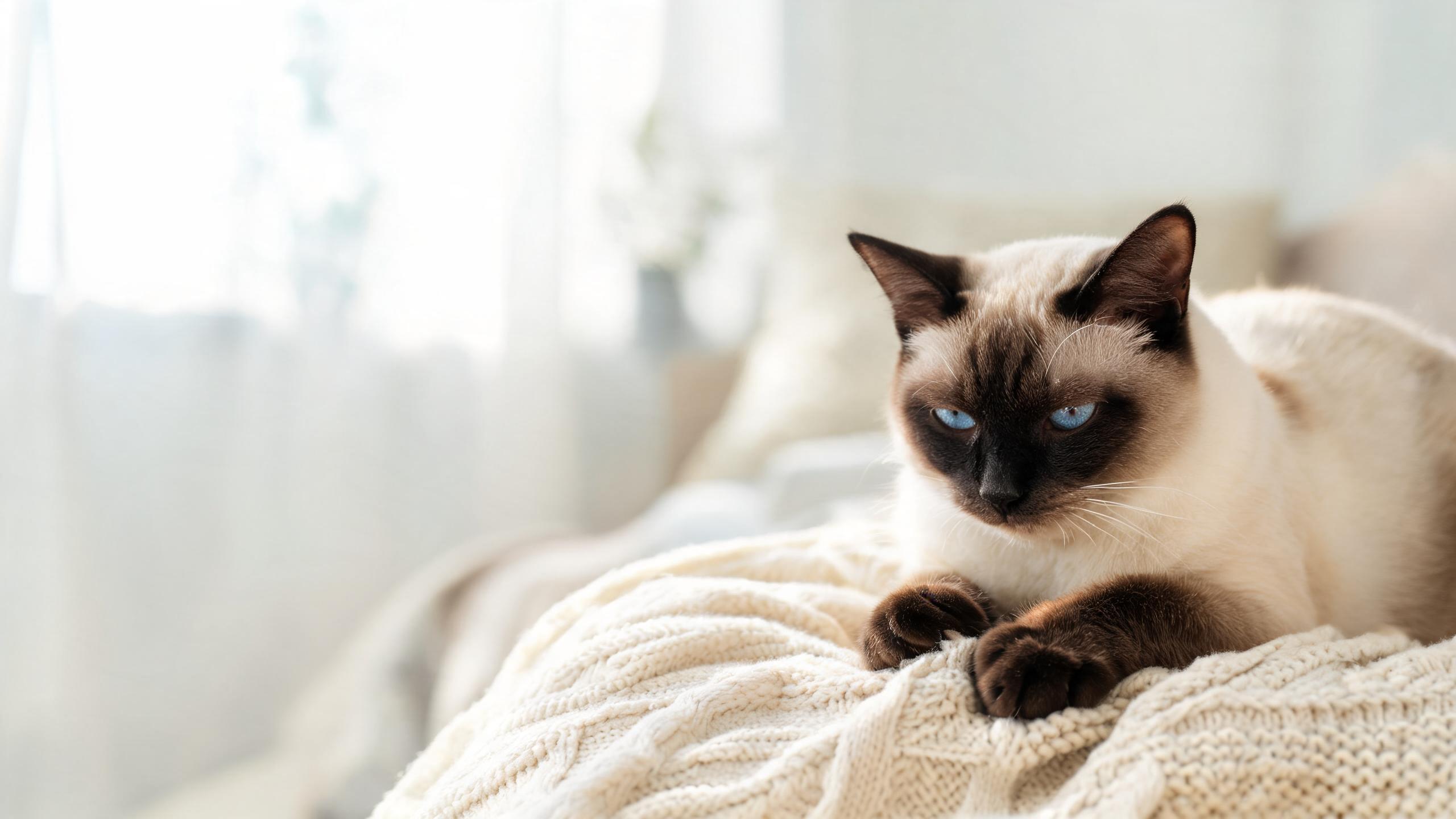
Cats kneading paws? It's that rhythmic paw-pushing on blankets or your lap. Uncover the kitten roots, adult reasons, and tips to handle claws without stopping the love. Normal behavior or sign of stress?
Picture this: your cat suddenly starts marching in place on your favorite throw blanket, paws flexing like it's prepping dough for the world's tiniest loaf. Adorable, right? But if those claws dig in, it gets old fast. Kneading – that back-and-forth paw motion – is one of those quirky cat things that leaves owners scratching their heads.
I've watched countless cats do this over the years, and honestly, it's equal parts heartwarming and puzzling. Let's break it down, because understanding it can save your furniture and deepen that bond with your kitty.
Quick Takeaways
- Kitten instinct: Starts as a way to get mom's milk flowing during nursing.
- Adult chill-out: Helps them relax, mark territory, or prep a sleep spot.
- Affection alert: Kneading you often means they see you as family.
- Watch for excess: More kneading than usual? Could signal stress or pain.
- Claw management: Trim nails and redirect to blankets – no punishment needed.
The Kitten Connection That Never Fades
Kittens knead their mom's belly while nursing. It's not random; those tiny paws massage the mammary glands to boost milk let-down. A 2018 study from the University of Lincoln's animal behavior team observed this in domestic cats and wild felines alike, noting how it pairs with purring for ultimate comfort.
That feel-good routine sticks. Even as adults, cats chase that same cozy vibe. Sound familiar? Your grown cat might knead a blanket right before curling up, eyes half-closed in bliss. It's like their built-in stress ball.
But here's my take: some folks try to curb it early, thinking it's baby stuff. Big mistake. Suppressing natural behaviors just ramps up frustration.
Want to support your pet's skin, coat, and joints naturally? Try PetJesty's Vegan Omega Oil — 100% plant-based, developed with vets.
What Drives Adult Cats to Keep Kneading?
And why blankets? Cats have scent glands right between their paw pads. Each push leaves their personal perfume behind, claiming the spot as theirs. Smart, huh? No other cat's wandering in without getting the memo.
Then there's the prep-for-bed angle. Wild cats pat down grass or leaves to make a nest. Your indoor kitty does the same on your couch – minus the bugs. Researchers in the Journal of Feline Medicine and Surgery have linked this to endorphin release, that natural high making them mellow out.
Stress Relief or Muscle Stretch?
Some cats knead to work out kinks. Picture tense shoulders after a long day; for them, it's limb tension from prowling or jumping. If your cat's suddenly obsessive, it might ease arthritis twinges – something I've seen in older rescues.
Relaxes them for sleep, too. Ever notice it right before nap time? They're fluffing their world into perfection.
When Your Cat Kneads You – Pure Love or Claws Out?
Oof, lap kneading. It's a compliment, really. They see you as mom 2.0, safe and squishy. That pheromone marking? You're officially family territory.
> "Kneading on you isn't just habit – it's your cat whispering, 'This is home.'"
Not gonna lie, it melts me every time. But those claws? Place a thick towel over your lap first. Lets them biscuit-make without the scratches.
One client told me her cat only kneads her during thunderstorms – clear affection mixed with comfort-seeking.
Is All Kneading Normal? Spotting Red Flags
Most kneading's harmless fun. It triggers dopamine, that brain chemical for happiness – up to 30% spike in some cats, per feline neuro studies. Keeps them coming back for more.
But ramped-up kneading? New habit or non-stop? Could mean anxiety. Moves, new pets, or boredom crank stress levels. Pain from injuries does it too, as they stretch sore spots.
Look for pairs: wool-sucking, excessive meowing, hiding. Vet time, stat. Bloodwork or joint checks might reveal issues. Here's the thing – early catch prevents bigger problems.
I've had cats in my care transform with simple changes: more playtime cuts stress kneading by half in weeks.
Smart Ways to Guide the Kneading (Not Stop It)
Don't yell or spritz. Punishment? Makes anxiety worse – science backs that, with cortisol spikes lasting days.
Do This Instead
- Trim those nails: Weekly clips blunt the damage. Use treats; make it a party.
- Designated zones: Fluffy blankets or cat beds just for biscuits. Praise big when they use 'em.
- Barrier up: Towel on lap or furniture. Win-win.
- Calm aids: If stress-related, pheromone sprays or supplements work wonders. At Royal Pet, our calming blends have helped tons of anxious kneaders chill without meds.
Never Do This
- Declaw? Absolutely not. It's toe amputation, leading to lifelong pain and litter box issues.
- Ignore excess: Vet chat rules out health woes.
Redirecting works 80% of the time in my experience. One cat I knew switched to a dedicated "biscuit blanket" and never looked back.
But what if they knead and suckle blankets? That's wool nursing, tied to early weaning. Extra play and puzzle feeders distract 'em.
Answering Your Burning Kneading Questions
Happy cats only? Nah. Content ones do it most, but stressed kitties self-soothe too. New pattern? Vet check.
Pet during kneading? Read the room. Tail flick? Back off. Blissed-out eyes? Go for it.
Sudden start in adults? Often stress or pain. Track it; note changes.
Cats knead for joy, security, territory – a full emotional toolkit in paw form. Next time your cat goes to town on the couch, smile. You're witnessing pure cat happiness.
That's the Royal Pet way: celebrate what makes them thrive, with a little guidance. Got kneading tales or tips? Drop 'em below – we're all ears (and paws).
Fiona