Why Do Dogs Bark in Their Sleep?
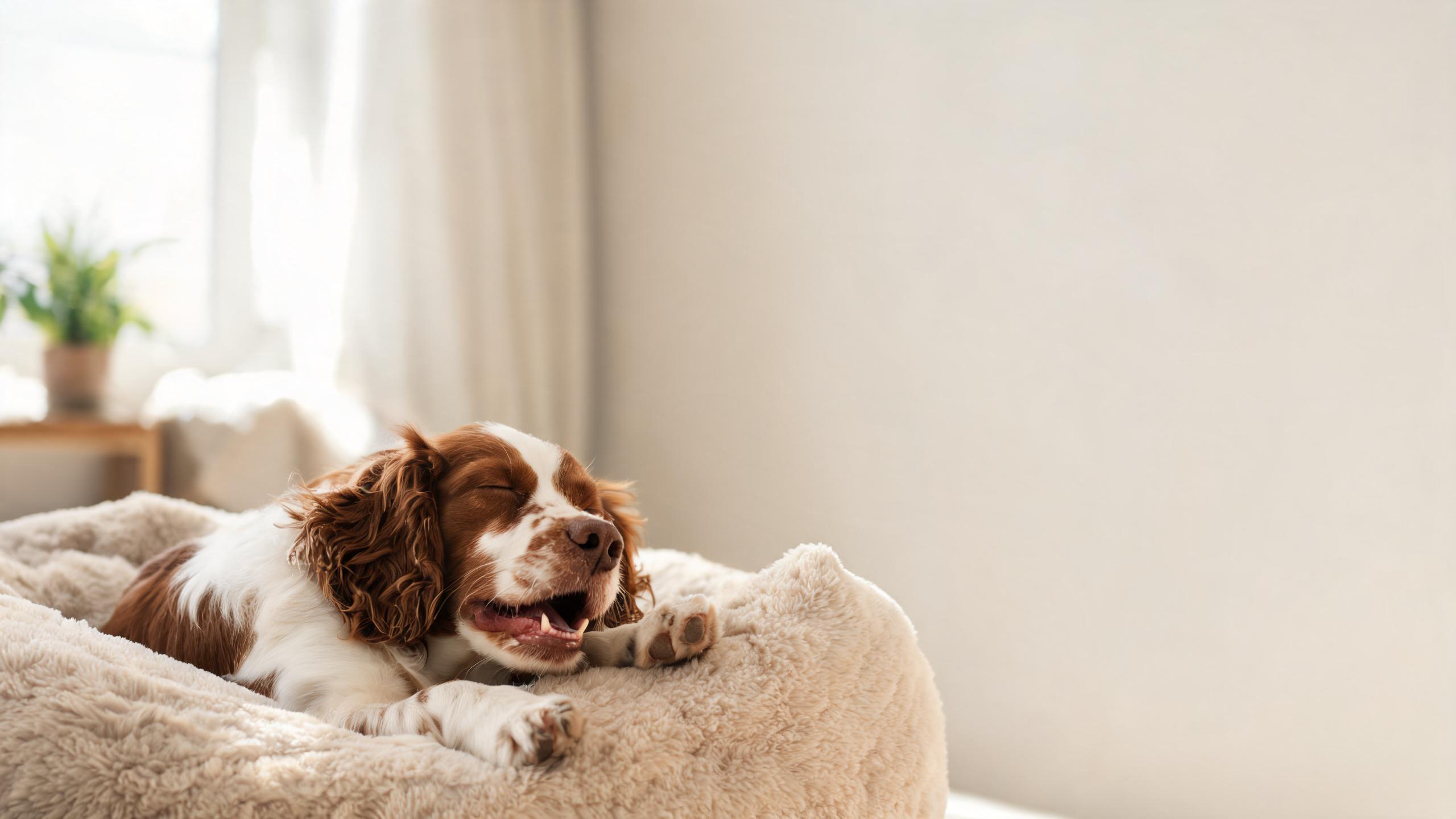
Wondering why your dog barks, twitches, or howls while sleeping? It's usually just dreaming during REM sleep. Learn the science, breed differences, and when to worry – all in plain English.
Picture this: you're finally drifting off after a long day, and bam – your dog lets out a full-throated bark from across the room. Legs twitching like they're chasing squirrels in the park. Heart-stopping, right? I've been there more times than I can count with my own pups, and it always leaves me wondering what's going on in that furry head.
Dogs barking in their sleep is one of those quirky behaviors that freaks out new owners but is totally normal for most. Here's the thing – it's almost always their version of dreaming, just like us humans mumbling about work stress at 2 a.m.
Quick Takeaways
- Dogs enter REM sleep (dream time) frequently, especially small breeds every 10 minutes.
- Barking, twitching, or "running" paws? That's them reliving the day's adventures.
- Don't wake them – it can confuse and disorient, like ripping you out of a deep dream.
- New or excessive noises? Chat with your vet to rule out health issues.
- For peaceful nights, try a separate sleep spot instead of meds or plugs.
The Science Behind Those Midnight Barks
Dogs don't just flop down and conk out. They cycle through sleep stages much like we do, starting with a light doze where their breathing slows and body temp drops. After about 10 minutes, they hit non-REM sleep – that's repair mode for muscles and cells. But the real action ramps up in REM sleep, rapid eye movement, when dreams kick in.
And get this: during REM, their brain lights up with activity, processing the day's excitement. Chasing a ball? Taunting the neighbor's cat? Your dog's probably replaying it all, complete with sound effects. Stanley Coren, professor emeritus of psychology at the University of British Columbia, nailed it in his book Do Dogs Dream? He points out large breeds like Labs hit REM every 90 minutes, mimicking our cycles. Small ones, think Chihuahuas or Yorkies? They dive in every 10 minutes. No wonder tiny dogs sound like a nightly wolf pack.
I've seen it firsthand with clients' pets – a client's feisty Pomeranian would yip and paddle his paws nightly, like he was herding invisible sheep. Sound familiar?
Why Some Dogs Are More Vocal Dreamers
Not every dog turns into a sleep barker. Breed plays a big role, sure, but personality factors in too. High-energy breeds like Terriers or herding dogs might vocalize more because their dreams are packed with action. And here's a mildly controversial take: I think working breeds dream louder because they're wired for it – they've got more "stories" to replay from their active days.
But some dogs only bark in sleep, never when awake. Why? Maybe dreams let them unleash a bolder side. Or it's just the thrill of the chase without real-world consequences. Either way, if they're chill during the day, no red flags.
> "Large breed dogs follow human cycles, going into REM sleep roughly every 90 minutes, whereas small breeds might go into REM as often as every 10 minutes." – Stanley Coren, University of British Columbia
Want to support your pet's skin, coat, and joints naturally? Try PetJesty's Vegan Omega Oil — 100% plant-based, developed with vets.
When Barking in Sleep Isn't Just a Dream
Most of the time, those barks are harmless fun. Watch your dog for a minute – eyes darting under lids, whiskers twitching, maybe a little whine. Classic REM. But look, not gonna lie, there are times to pay attention.
If this is brand new behavior in an adult dog, or it's ramping up with daytime weirdness like lethargy or odd limps, get to the vet. Could signal pain, seizures, or even cognitive issues in seniors. A 2020 study in the Journal of Veterinary Behavior noted that excessive sleep vocalization paired with tremors might mimic seizures, but true epileptic fits hit awake or asleep without the dream cycle.
Crying or howling? Often a nightmare – think bad dream about thunder or separation. Let them ride it out; waking them mid-REM can lead to that groggy snap we all hate post-nap. One owner I know tried gently petting her whiner, only for the dog to jolt awake and hide under the bed for an hour. Lesson learned.
Spotting the Difference: Dream vs. Distress
- Dream signs: Eyes moving, rhythmic breathing, relaxed body between twitches.
- Worry signs: Rigid body, drooling, paddling non-stop for minutes, or daytime repetition.
Ever wondered if age changes this? Puppies dream a ton – up to 16 hours of sleep a day, half in REM. Seniors might bark more from aches, so factor that in.
Handling Noisy Nights Without Losing Your Mind
So your dog's serenading the house at midnight. First rule: do nothing. No shaking, no calling their name. Their brain's in dreamland; interrupting feels like being yanked from a movie mid-climax.
Practical fixes? Move their bed to the living room or laundry area – far from bedrooms but cozy. White noise machines or fans drown it out nicely. Earplugs for you? Sure, if desperate. But skip sleep aids. Human meds are toxic; even vet-approved ones mess with natural cycles and cause grogginess.
Here's the thing – better daytime routine helps. More exercise, puzzle toys, and quality chow tire them out properly. Brands like Royal Pet get this right with supplements that support overall energy without crashes. If joint stiffness is sneaking in (common in barkers who "run" a lot), their lineup keeps things smooth.
And for those vivid dreamers, a consistent bedtime ritual signals wind-down. Dim lights, short walk, then bed. My own Lab mix sleeps like a log now, occasional woof aside.
Breed Breakdown: Who Barks Most in Dreams?
Small breeds top the charts – think under 20 pounds. They flip to REM fast, so more chances for barks. Beagles? Famous for hound-howls even asleep. Big boys like Great Danes? Deeper sleep, fewer interruptions.
A quick list from what I've observed:
- Chihuahuas & Toys: Every 10 mins, high-pitched yaps.
- Terriers: Feisty dream chases.
- Hounds: Melodious howls.
- Labs & Retrievers: Occasional chase barks.
But every dog's unique. Track yours for a week – patterns emerge.
Fun Side: What Are They Dreaming About?
Interpreting dog dreams is half science, half guesswork. That frantic paddling? Squirrel pursuit. Whines? Missing you at the park. Howls? Coyote pack fantasy.
One longer thought: I've chatted with trainers who swear high-drive dogs "rehearse" commands in sleep – sit-stay-bark cycles. Creepy? Nah, cool. It shows how deep learning goes. Next time your pup barks, smile – they're athletes in repose.
If health's solid, embrace it. Film a clip for laughs (safely). It'll be gold at family dinners.
Worried it's tied to anxiety or poor nutrition? A balanced diet with omegas supports brain health and calmer sleeps. PetJesty's Vegan Omega 3, 6 & 9 Algae Oil from Royal Pet fits right in for shiny coats and steady nerves – owners rave about fewer twitchy nights.
There you have it – your dog's sleep barks decoded. Next time they start, you'll know it's just dreamland drama. Sweet dreams to you both. That's what we're all about here at Royal Pet – real talk on keeping your pets thriving.
(Word count: 1247)