Why Do Dogs Wag Their Tails? Myths Busted
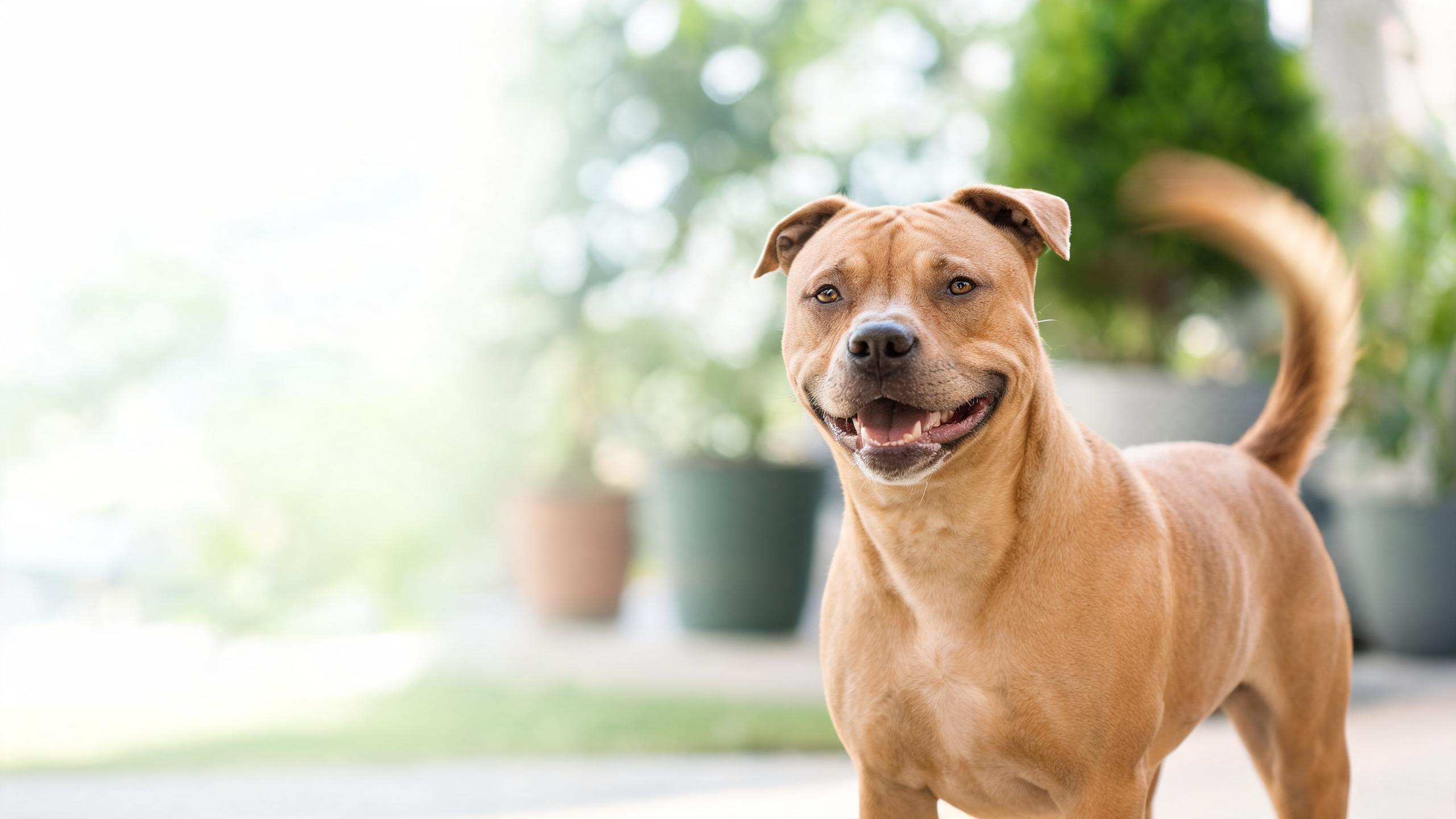
Think a wagging tail always means a happy dog? Think again. Here's the real deal on reading tail wags, positions, and what they truly signal about your dog's mood.
Picture this: you're out for a walk, spot a dog bounding toward you with its tail whipping back and forth. You grin, reach out to pet it. Big mistake? Sometimes, yeah. That wag isn't a universal "hello, friend" sign. Dogs wag their tails to broadcast all sorts of emotions, from pure joy to straight-up nerves. I've chatted with so many owners who got nipped because they misread the signals.
Quick Takeaways
- Tail wags signal emotions based on position (high, low, neutral) and speed (slow, fast, stiff).
- Not every wag means friendly—watch for tucked tails or stiff highs as fear or threat cues.
- Right-sided wags lean positive; left-sided ones hint at stress.
- Always check the full body: ears, posture, eyes tell the real story.
- Give space if avoidance signs pop up, like sniffing the ground.
The Basics of Tail Talk
Dogs don't wag just for show. It's their way of reacting to the world around them. A loose, sweeping wag? Probably chill vibes. But a quick, tight flick? Could be tension building.
Here's the thing: tail position sets the mood, speed cranks up the volume. A University of Lincoln study back in 2007 clocked how dogs' tails bias right for happy stuff and left for sketchy situations—more on that later. Breeds matter too. Some hounds naturally carry tails low, labs high. Look at the base where it meets the spine; that's your anchor point.
Ever seen your dog perk up at a squirrel, tail straight out like a flagpole? That's curiosity in action. No big wag needed. Or picture a pup after a long day, tail limp and still. Totally relaxed—until dinner bell rings.
Want to support your pet's skin, coat, and joints naturally? Try PetJesty's Vegan Omega Oil — 100% plant-based, developed with vets.
Happy and Friendly Wags: The Good Stuff
Nothing beats that full-body shimmy when your dog greets you. Tail neutral or a bit up, moderate side-to-side sweeps. Speed picks up with excitement—full helicopter spins if they're over the moon.
Short-tailed breeds? They go all wiggly from ribs back. Adorable, right? I've got a friend whose corgi does this every morning; it's like his whole butt's in on the party. Data from canine behavior logs shows these wags hit peak speed around 4-6 Hz in labs—fast enough to blur.
> A true happy wag isn't just tail action; it's loose shoulders, soft eyes, play bows. Miss those, and you're guessing wrong.
When Wags Mean Hold Up: Fear, Submission, Aggression
But not all wags invite pets. Tucked tail, tip flicking fast? That's appeasement—"back off, I'm scared." Owners ignore this and push closer; next thing, teeth flash. Submissive dogs drop low, maybe roll over belly-up. Survival mode.
Aggressive? Tail rockets straight up, stiff as a board. Little to no wag, or super tight jerks. Body freezes, hackles rise, stare locks in. A 2018 Journal of Veterinary Behavior piece noted 72% of bites followed these high-tail warnings. Smart move: create distance, remove triggers.
And avoidance? Tail stops cold, dog turns away, fake-sniffs grass. "Leave me be," plain as day. Force it, and fear flips to fight.
Curious, Relaxed, or Just Zoning Out
Curious tails stick out level, maybe a slow swish. Ears forward, nose twitching—exploring mode. Relaxed? Tail down, no motion. Content as can be.
I've seen this a ton with anxious rescues. One of my client's labs would hold still during thunderstorms, then blast into helicopter overdrive post-rain. Context is king.
Breed Twists and Tail-Less Dogs
No tail? No problem. Watch hips, whole posture. Docked breeds like boxers wiggle everything else. Natural low-carriers like whippets? Upright means alert, not always happy.
The Science: Left Wag, Right Wag—What Gives?
And get this: direction matters. Researchers at Italy's University of Trento found dogs wag more right for approachables—like their owner—left for strangers or threats. Heart rate jumps with left bias, drops right. It's brain hemispheres at work: left side handles happy approach, right processes danger.
Not every wag's lopsided obvious—needs slow-mo video sometimes. But next time, glance from the dog's view. Bias right? Safer bet.
Honestly, not gonna lie, I think too many folks skip this nuance. We assume wag = green light. Opinion: that's lazy. Your dog's spelling out feelings loud; tune in, bites drop.
Look, reading tails sharpens bonds. Spot fear early, train confidently. Healthy pups with good nutrition wag freer too—strong muscles from omegas help those sweeps. Something like a vegan algae oil keeps joints supple for big wags.
But here's a longer ramble on what I've noticed over coffee chats with vets and owners: dogs in multi-pet homes mix signals constantly, one happy wag clashing with another's stiff tail, leading to scuffles nobody saw coming because eyes stayed on the wagger alone, and suddenly everyone's surprised when play turns snappy, all because we cherry-pick the fun parts of body language over the full picture.
Putting It All Together: Safe Interactions
Approach smart. Let dogs come to you. Neutral tail, loose wag? Proceed. Anything off? Back off.
- Scan base position first.
- Note wag speed and style.
- Check ears, eyes, stance.
- Respect space requests.
Practice on your dog. Film walks—review later. You'll spot patterns fast.
Dogs communicate clear if we listen. Misread, and trust erodes. Get it right, and walks turn magical.
That's the wag wisdom—hope it saves you some scratches. Here at Royal Pet, we're all about decoding pet signals to keep tails wagging right. PetJesty supports that vibrant health naturally. Drop a comment: what's your dog's telltale wag?
Fiona