Why Does My Dog Eat Grass? The Real Reasons (and When to Worry)
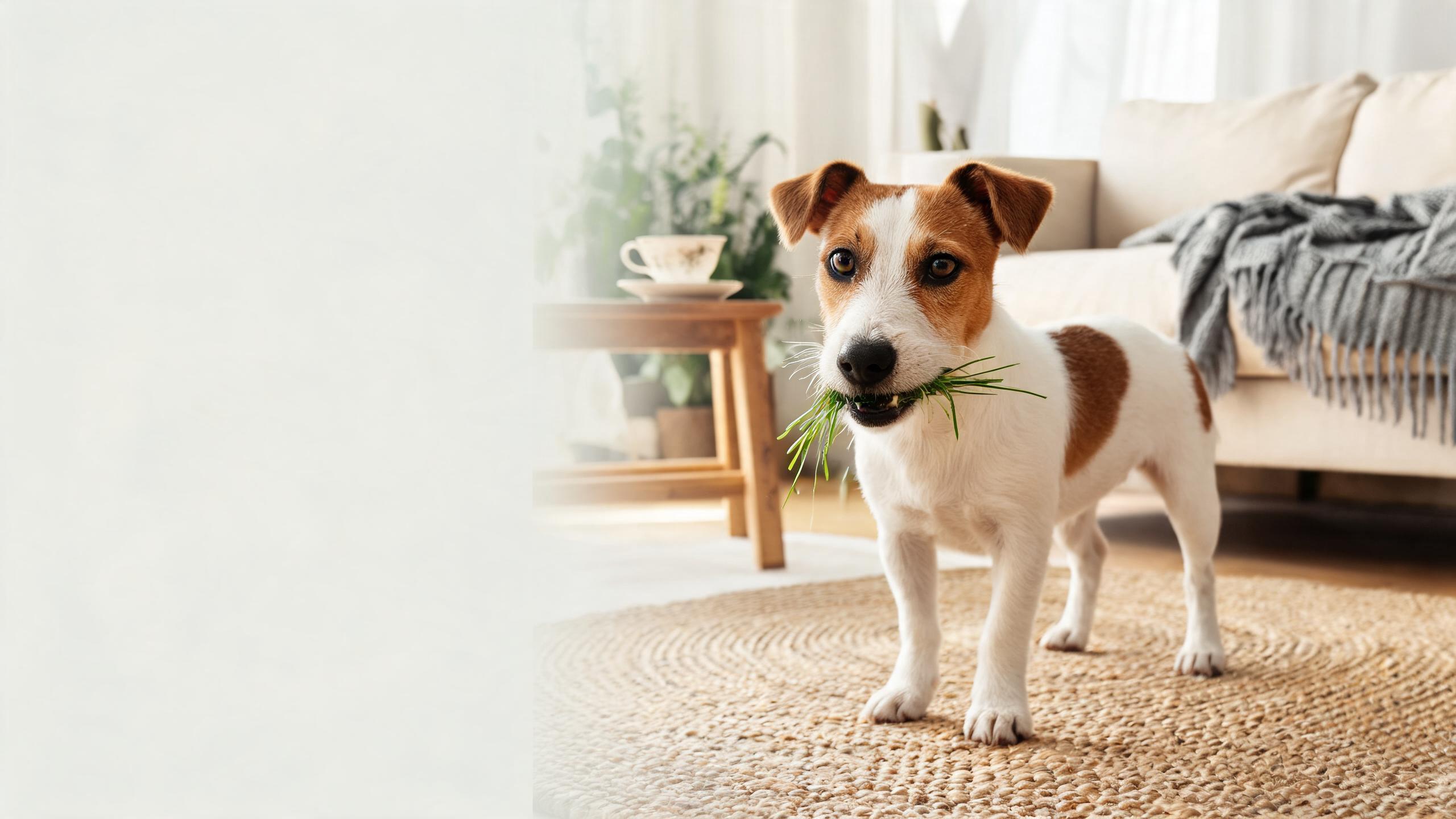
Almost every dog does it, yet it baffles owners. Here are the real reasons dogs eat grass, whether it is a problem, and when grass-eating is worth a vet visit.
You let your dog out into the garden and there they go again — head down, munching the lawn like a tiny cow. Grass-eating is one of the most common and most puzzling dog behaviours, and almost every owner wonders at some point whether they should be worried. The honest answer for most dogs is reassuring, with a few sensible caveats.
Is eating grass normal?
For the most part, yes. Grass-eating is extremely common in healthy dogs, and surveys of owners consistently find that the vast majority of dogs nibble grass at least occasionally. It is generally considered a normal dog behaviour rather than a sign that something is wrong. Most grass-eaters show no signs of illness before or after, and carry on perfectly happily.
The real reasons dogs eat grass
There is no single explanation, and it is probably a mix of these:
- They simply like it. The taste and texture of fresh grass, especially in spring, appeals to many dogs. It is as ordinary as it looks.
- Instinct. Dogs descend from animals that ate whole prey, including the stomach contents of plant-eating animals. A taste for greenery may be a leftover of that ancestry.
- Boredom. An under-stimulated dog may graze for something to do, much as we might idly snack.
- Fibre and digestion. Some dogs may seek out grass as a source of roughage that helps things move through the gut.
- To make themselves sick — sometimes. A small number of dogs eat grass and then vomit, but research suggests most do not vomit afterwards, so the old "grass settles their stomach" idea is probably overstated.
When grass-eating is worth a closer look
Most grass-eating is harmless, but a few patterns deserve attention. Speak to your vet if:
- Your dog suddenly starts eating grass far more than usual, or does it frantically.
- Grass-eating comes with vomiting, diarrhoea, lethargy or a drop in appetite.
- Your dog seems to be trying to eat anything and everything (a behaviour called pica), which can occasionally signal a dietary or medical issue.
A sudden change in any long-standing habit is always worth mentioning to your vet, even if your dog seems otherwise fine.
The hidden danger is not the grass
Here is the part that matters most: the grass itself is rarely the problem — what is on it can be. The real risks are:
- Pesticides, weedkillers and lawn chemicals, which are toxic and can be picked up from treated grass.
- Slug and snail pellets, dangerous to dogs.
- Parasites and their eggs, picked up from grazing in areas used by other animals.
- Toxic plants mixed in with the grass.
So the sensible approach is not to stop a happy dog grazing entirely, but to control where they do it: avoid letting them eat grass in unfamiliar public areas, keep your own lawn free of chemicals, and stay up to date with worming.
Should I stop my dog eating grass?
For the occasional grazer with no symptoms, there is usually no need to intervene beyond keeping the grass they eat clean and chemical-free. If your dog is doing it out of boredom, more walks, play and enrichment often reduce it naturally. And if it has become obsessive or comes with any sign of illness, that is the moment to involve your vet rather than simply trying to block the behaviour.
Supporting healthy digestion from the bowl
A well-fed dog on a complete, balanced diet has less reason to go looking for extra roughage, and good overall nutrition underpins a settled gut and a content dog. Omega-3 fatty acids, while not a digestive remedy, are part of supporting your dog's general wellbeing — skin, coat, joints and more — as part of that balanced diet.
To support your dog's everyday health from the inside, PetJesty's Vegan Omega 3, 6 and 9 Algae Oil provides clean, mercury-free omega-3 with no fishy smell. And if your dog's grass-eating ever changes suddenly or comes with other symptoms, your vet is the right person to check it out.