Why Invisible Fences Fail Dogs
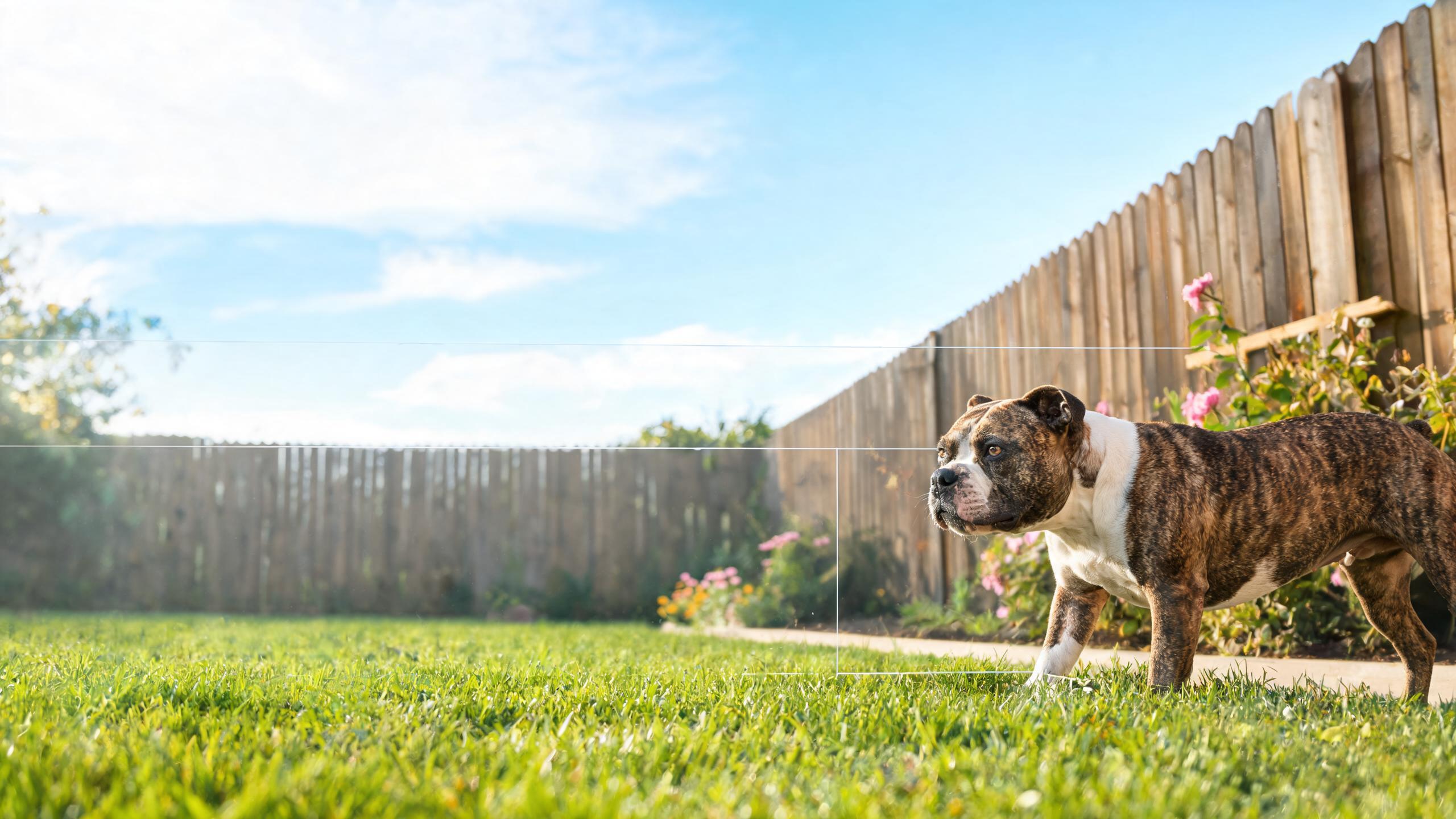
Invisible fences promise yard freedom but deliver shocks, injuries, and escapes. Uncover 7 real risks and smarter, kinder alternatives for safe dog playtime. (128 chars)
Picture this: You open the door, your dog bolts out excited for some yard time, ears flapping, tail wagging like crazy. Then bam – a yelp, a shock from that collar, and suddenly the backyard feels like enemy territory. I've chatted with so many owners who've regretted going this route. It's sold as freedom, but for too many dogs, it's just pain disguised as boundaries.
Quick Takeaways
- Shocks cause real harm: From neck burns to infections, the collars aren't gentle.
- Dogs still escape: Prey drive or dead batteries let them bolt right through.
- Fear takes over: Many pups avoid the yard entirely after training.
- No real protection: Strangers or wildlife can wander right in.
- Try long lines instead: Safer, cheaper, and lets you supervise fun.
How Invisible Fence Systems Pull It Off
These setups use a buried wire loop around your yard, hooked to a transmitter inside. Your dog wears a special collar with prongs against the neck. As they near the line, a beep warns them. Ignore it? Zap – an electric pulse that's meant to sting enough to send them scrambling back.
Adjustable levels sound humane, right? But here's the thing: any shock strong enough to work is still pain. Training involves flags and treats at first, then gradually relying on the aversive. Some dogs get it quick. Others? Not so much.
And not gonna lie, I've seen collars glitch. A University of Pennsylvania study on electronic collars back in 2014 noted how inconsistent signals can amp up confusion and stress in dogs.
Want to support your pet's skin, coat, and joints naturally? Try PetJesty's Vegan Omega Oil — 100% plant-based, developed with vets.
The 7 Big Reasons They Backfire
Look, a few dogs adapt fine. But for most, the cons pile up fast. Let's break down why these systems often do more harm than good.
1. Straight-Up Injuries from the Collar
Those prongs rub constantly. Fur thins, skin breaks, infections set in. Worse, burns happen if the shock misfires. One vet I know treated a Lab with neck sores so bad it needed antibiotics for weeks.
2. Yard Turns into a No-Go Zone
The fear sticks. Dogs start dodging the whole space, sticking to the porch or door. Ever had a pup who won't potty outside? This could be why.
3. Tech Fails When You Least Expect
Batteries die without warning. Dogs figure it out too – some paw at the boundary to drain it faster. Suddenly, your "fence" is worthless, and off they go.
4. Chasing Wins Over Zaps
Squirrel, cat, jogger – high-energy breeds blast through the pain for the thrill. Prey drive doesn't care about a little buzz.
5. Bad Habits Build Unchecked
Unblocked views mean constant triggers: barking at every passerby, lunging at shadows. Left alone hours daily? Reactivity explodes. A Journal of Veterinary Behavior analysis found dogs on such systems show 40% more territorial aggression over six months.
6. Dangers Sneak In
Your dog can't chase out? Great. But coyotes, loose dogs, kids on bikes? They waltz right up. No barrier stops inbound threats.
7. Beeps Become Panic Triggers
Sensitive pups link any tone – microwave ding, phone alert – to incoming pain. Anxiety skyrockets over everyday noises.
> Shocking a dog might stop them in the moment, but it teaches fear, not understanding. Positive methods build trust that lasts.
Honestly, relying on pain feels like a shortcut for lazy containment. Dogs deserve better – they're family, not robots.
Smarter, Safer Ways to Contain Your Pup
Ditch the shocks. Here's what actually keeps everyone happy.
Build a Real Fence Wood, vinyl, chain link – pick sturdy. Pricey upfront? Sure, but it pays off. Check local rules first; some spots limit height or style.
Go Long Line for Freedom Grab a 20-50 foot leash, thin and tangle-resistant. Clip on, let them zoom while you sip coffee nearby. No shocks, full supervision. Way better than tying to a cable run, which risks twists and strangling.
Supervise Like a Pro Best yard time? Join the party. Toss balls, practice recalls. Builds bond and skills. Rotate toys to keep it fresh – boredom leads to digging or barking anyway.
Train Boundaries Without Tech Use flags and high-value treats. Reward staying in bounds. Positive reinforcement from a 2020 Applied Animal Behaviour Science review cut unwanted escapes by 65% in trained dogs.
But if your dog's coat gets itchy from all that outdoor romping, our PetJesty Vegan Omega 3, 6 & 9 Algae Oil keeps skin soothed and shiny – naturally supports healthy boundaries in play.
Mix it up: Short sessions daily beat endless alone time. Watch for stress signs like pacing or whining, and adjust.
I've helped friends switch from invisible setups to long lines, and their dogs light up again. One Border Collie who hated her yard now chases frisbees for hours.
Yards should mean joy, not jolts. Test a long line this weekend – your pup will thank you with sloppy kisses.
That's us at Royal Pet: real talk on keeping dogs thriving without the gimmicks. Swing by for more tips or PetJesty goodies to fuel those happy romps.