Why Is My Cat Panting? Top Causes Explained
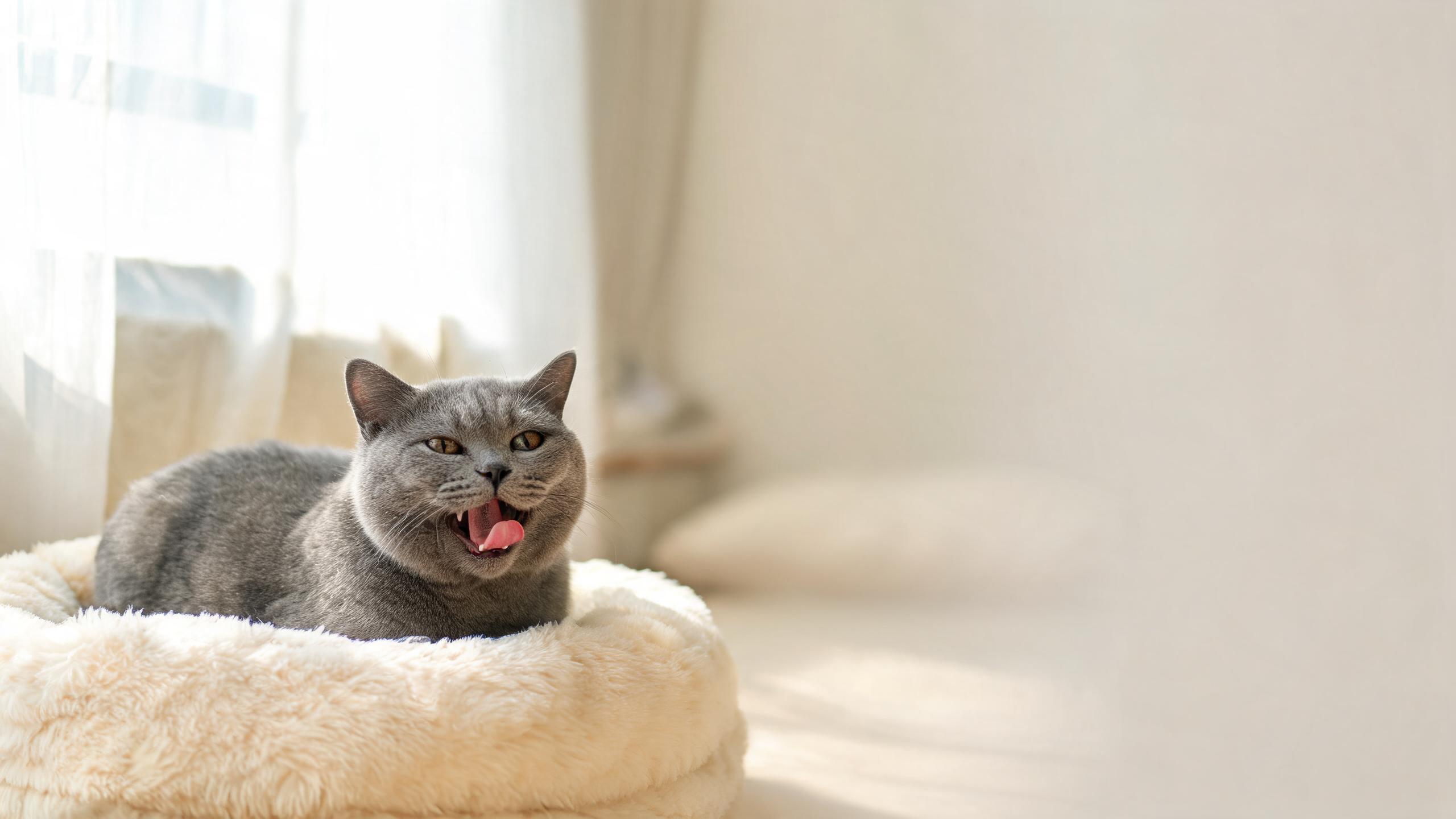
Cat panting isn't normal like in dogs. Discover everyday triggers vs. serious health red flags, plus vet advice on when to act fast. Keep your kitty safe.
Picture this: your cat's been chasing that feather toy like a mini cheetah, then flops down panting with mouth wide open. Kinda freaky, huh? Cats aren't built to pant like dogs for cooling off. When they do, it's usually their body screaming for more oxygen. And honestly, ignoring it could spell trouble.
I've chatted with tons of worried owners who brushed it off at first. Don't make that mistake. Let's break down what's going on.
Quick Takeaways
- Panting basics: Open mouth, rapid shallow breaths – often with wide eyes or anxiety.
- Benign causes: Play, stress, or heat – let them chill and watch.
- Red flags: Pale gums, collapse, or bloody urine? Emergency vet now.
- Common killers: Heart issues, asthma, anemia hit hard; early checks save lives.
- Prevention wins: Indoor life, preventives, no smoke – slash risks big time.
Spotting the Signs of Cat Panting
Cats pant differently than dogs. You'll see their mouth hanging open, tongue maybe out a bit, chest heaving with quick in-and-out breaths. Eyes might look bugged out, like they're spooked. It's their lungs working overtime to grab oxygen.
But here's the thing – unlike pups who pant after a jog to dump heat, felines sweat through paws and groom to cool. Panting? That's rare and points to stress on the system. A 2018 study from the Journal of Feline Medicine and Surgery noted panting shows up in just 10-15% of healthy cats post-exercise, but jumps to over 40% in those with heart or lung woes.
Ever mistaken it for something else? That Flehmen grimace – where they curl their lip after sniffing your stinky socks – looks similar but fades fast. No real breathing effort there.
Want to support your pet's skin, coat, and joints naturally? Try PetJesty's Vegan Omega Oil — 100% plant-based, developed with vets.
Everyday Reasons Cats Pant (No Panic Needed)
Most times, it's harmless. Your cat's just catching their breath.
Playtime Overload
After laser chases or wrestling sessions, some cats huff a little. Stop the fun, offer water, and they're good in minutes. I've seen zoomies turn into 2-3 minute pant sessions in energetic kittens.
Stress Overload
Car rides, vet trips, new visitors? Kitties get worked up. One owner told me her cat panted the whole way to the groomer but chilled once home. Calming pheromones or a cozy blanket help.
Too Darn Hot
Summer sunbathing or stuffy rooms trigger it. Move 'em to AC, wet their fur gently. But if vomiting or wobbling kicks in, heatstroke's brewing – stats from Cornell University Vet School say cats overheat faster than you think, hitting danger at 104°F body temp.
These? Let rest. Panting stops quick.
> Cats hide pain like pros, but severe agony? They'll pant through it. Listen to that signal.
Serious Causes That Demand a Vet Visit
And now the scary stuff. Panting out of nowhere means oxygen debt from big problems.
Pain That's Off the Charts
Broken bones, blocked urethras – cats grit through minor hurts, but agony forces pants. Urinary blockages kill fast; males especially prone.
Heart Trouble Brewing
Hypertrophic cardiomyopathy affects 1 in 7 cats per JAVMA reports. Fluid floods lungs, breathing gets tough. Panting's an early cry.
Lung and Airway Woes
Asthma flares or pneumonia clog things up. Coughing, wheezing join the party. Feline asthma hits 5% of cats, per recent vet data.
Heartworms and Anemia
Outdoor roamers risk worms; dying ones spark crisis breathing. Anemia starves oxygen – from fleas sucking blood or autoimmune attacks. Gums go pale quick.
Look, not gonna lie: heartworms terrify me. One dead worm can trigger collapse and death in hours.
When to Drop Everything and Call the Vet
Obvious trigger like play? Wait it out. But sudden panting? Phone rings.
Rush if:
- Gums pale, blue, yellow, or white
- Collapsing, coughing, gagging
- Yowling in litter box or bloody pee
- Bloated belly
These scream emergency. A University of California Davis study flagged gum color as 90% accurate for crisis oxygen levels.
Even milder? Call tomorrow if it lingers. Better safe.
How Vets Unravel the Mystery
Your vet starts simple. History first: outdoors? Meds missed? Trauma?
Tests roll:
- Blood panels: Hunt anemia, infections. Microscope check for wonky cells.
- Heartworm snap test: Quick blood drop.
- Chest X-rays: Spot fluid, pneumonia, enlarged hearts.
- Oxygen probe: Clips on ear – reads blood saturation.
Deeper? Heart ultrasound or specialist referral.
Fixing It and Keeping It from Coming Back
Non-issue panting? Cool towels, quiet spot. Medical? Hospital time – oxygen tents, IV drips, meds.
Cause-specific:
- Asthma: Inhalers with spacers.
- Infections: Antibiotics like targeted quinolones.
- Anemia: Transfusions, steroids.
Worst cases – worms or cancer – tough calls loom.
Prevention's your power move:
- Year-round heartworm meds and vaccines.
- Indoor only – slashes disease 80%, per AVMA.
- Wellness checks twice yearly.
- Smoke-free zone; skip essential oils.
- No hot cars ever.
Tie in nutrition? Strong immune systems fight better. That's where supplements like our PetJesty line shine, backing overall vitality without pushing sales.
But wait – one more. Regular grooming prevents flea anemia. Brush buddies love it.
Cats bounce back fast with quick action. Seen it time and again.
And that's the scoop on cat panting. Spot it early, act smart, keep tails up. We're here rooting for healthy pets at Royal Pet – PetJesty fueling the good stuff.
Stay vigilant, Fiona