Why Is My Dog Limping? Common Causes and When to See a Vet
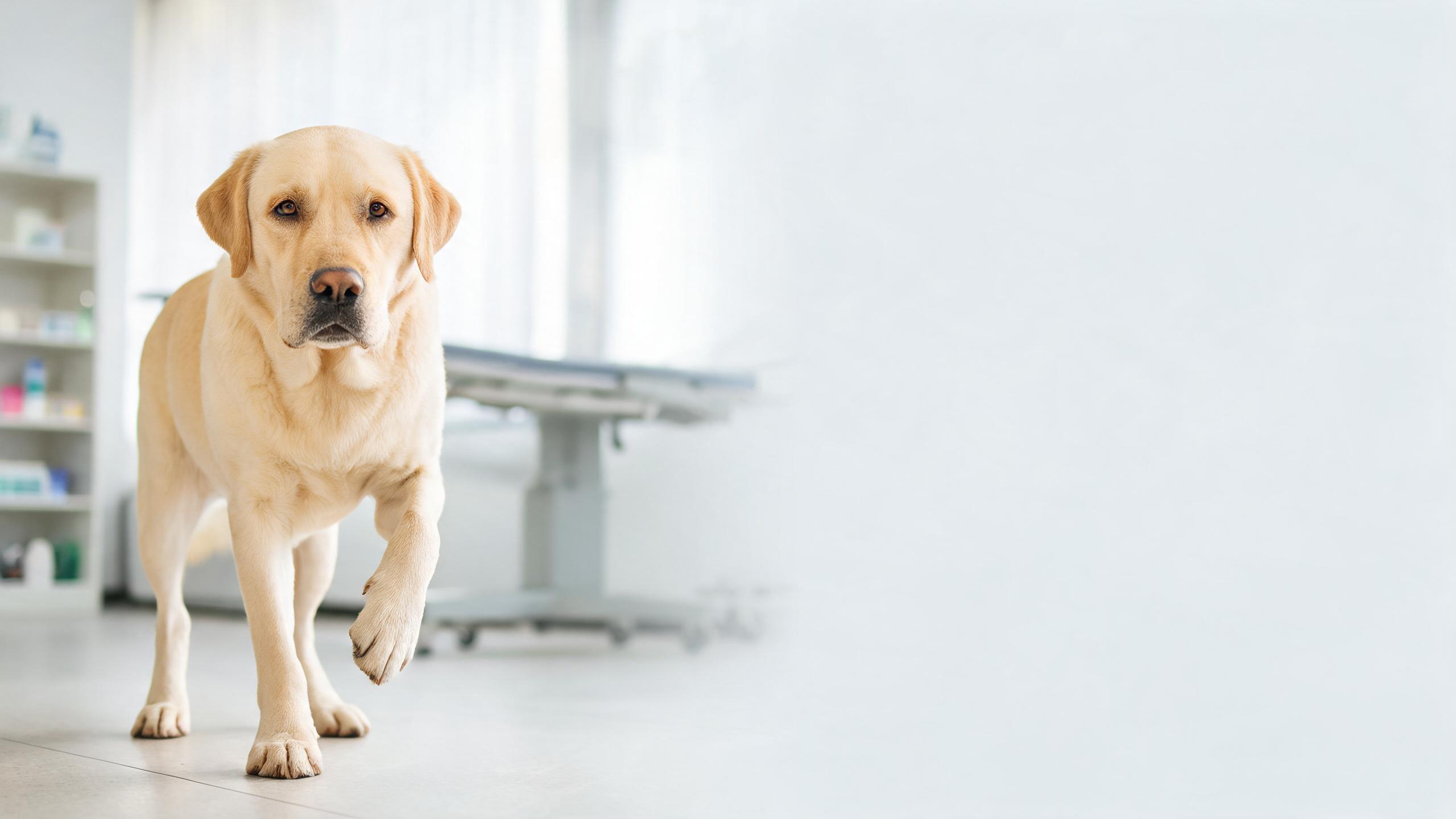
A limp can mean anything from a thorn in the paw to a joint problem. Here is how to assess it at home, the common causes, and when limping is an emergency.
Few things make an owner's stomach drop like watching their dog take a sudden limp. The good news is that many limps are minor and pass quickly. The trick is knowing which ones can wait and which need a vet — and not ignoring the slow, creeping kind that dogs are so good at hiding.
Sudden limp or gradual?
The story matters. A sudden limp often follows an injury — a slip, an awkward landing, a sprint across the park. A gradual limp that comes and goes, or that is worse after rest, more often points to wear in the joints. Both are worth understanding, but they tend to mean different things.
Check the paw first
Before you panic, have a careful look at the foot — it is the most common culprit and the easiest to fix:
- A thorn, splinter or grass seed lodged between the pads.
- A torn or broken nail.
- A cut or burn on the pad (hot pavement in summer, grit and salt in winter).
- Something stuck between the toes.
If you find and gently remove an obvious cause and your dog improves, brilliant. If not, look further up.
Common causes of limping
Beyond the paw, the usual suspects include:
- Soft-tissue strains and sprains from over-exertion — the canine equivalent of a pulled muscle.
- Arthritis, especially in older or larger dogs, often worse after rest and in cold weather.
- Cruciate ligament injury in the knee — common, and often needs veterinary treatment.
- Hip or elbow dysplasia, developmental joint conditions seen in certain breeds.
- Fractures or more serious injury, particularly after a fall or accident.
When to see the vet
Some limps genuinely can wait a day of rest; others cannot. Contact your vet promptly — or urgently — if your dog:
- Will not put any weight on the leg at all.
- Has obvious swelling, heat or a wound.
- Is in clear pain, crying out or trembling.
- Limps after a significant trauma like a car accident or a fall.
- Is still limping after 24 to 48 hours of rest, or the limp keeps returning.
When in doubt, a phone call to your vet costs nothing and often saves a lot of worry.
Supporting healthy joints for the long term
For the slow, arthritis-type limp that creeps in with age, day-to-day support makes a real difference. Keeping your dog lean takes load off the joints, regular low-impact exercise keeps the supporting muscles strong, and your vet can advise on anything painful.
Nutrition has a genuine role here too. Omega-3 fatty acids, EPA and DHA, are widely regarded as the most evidence-backed nutrient for canine joint comfort, thanks to their naturally anti-inflammatory action. They support comfortable movement over time as part of a broader plan — not as a painkiller, but as steady nutritional support for the joints.
To support your dog's joints and mobility from the inside, PetJesty's Vegan Omega 3, 6 and 9 Algae Oil provides clean, mercury-free EPA and DHA — a simple daily habit best combined with a healthy weight and your vet's advice on any painful limp.