Why Is My Dog Shedding So Much? Causes and How to Manage It
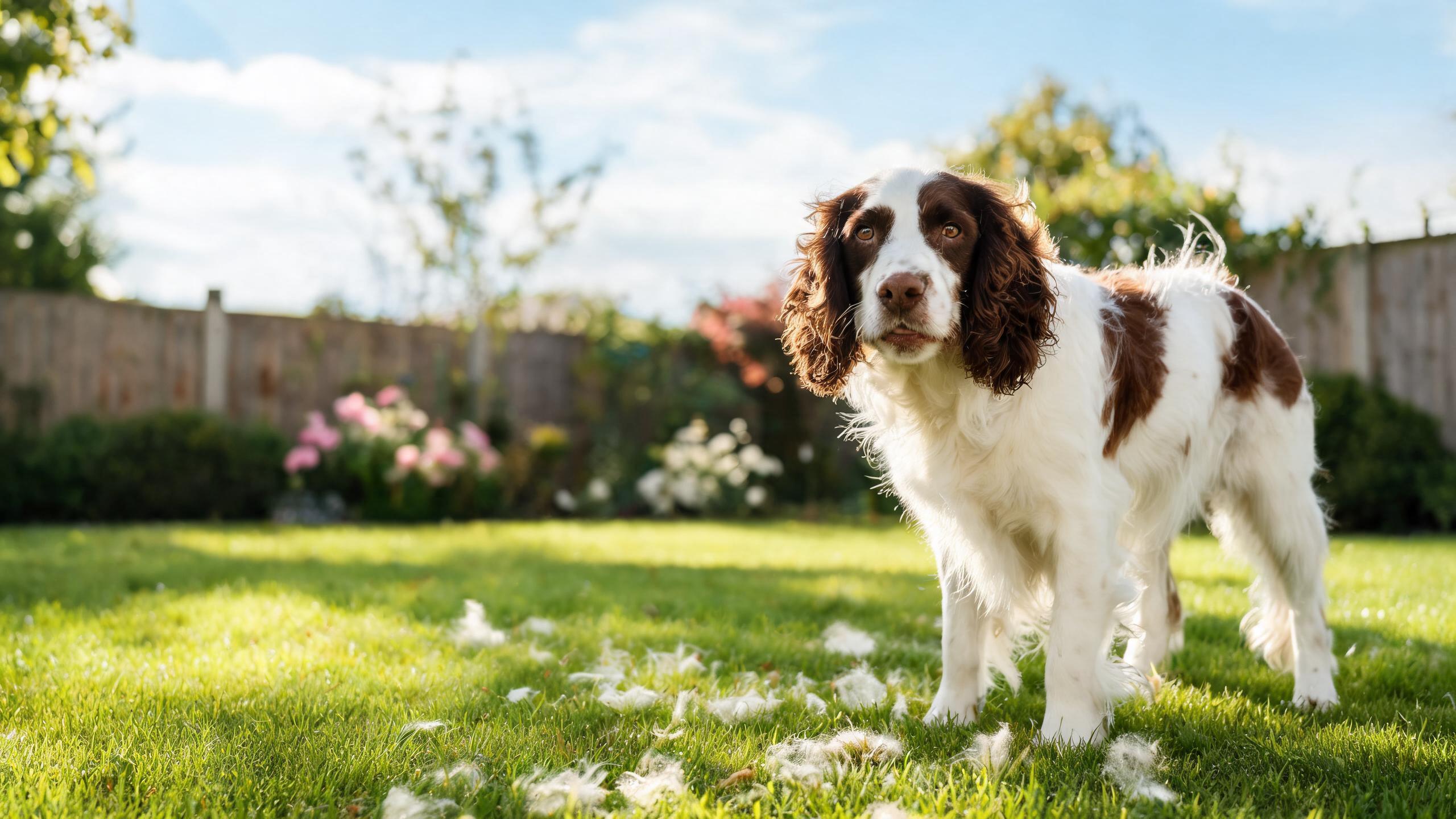
Shedding is normal — but heavy or sudden shedding can mean something else. Here is what is behind it, how to cut the fur on your sofa, and the nutrition that supports a stronger coat.
If you could knit a second dog from the fur on your jumper, you are not alone. Shedding is one of the most universal parts of dog ownership, and most of it is completely normal. But the amount varies hugely between dogs, between seasons, and sometimes it is a clue that something needs attention.
Why dogs shed
Shedding is simply the natural turnover of the coat — old or damaged hairs falling out so new ones can grow. How much your dog sheds depends on a few things:
- Breed and coat type. Double-coated breeds (think Huskies, Labradors, German Shepherds) shed prolifically, especially during seasonal "coat blows" in spring and autumn. Single-coated and low-shedding breeds drop far less.
- Season and daylight. Many dogs shed more as the days lengthen in spring and again in autumn, as the coat adjusts for the months ahead. Indoor dogs under artificial light often shed more evenly all year round.
- Life stage and hormones. Puppies lose their soft coats; unspayed females often shed around their cycles.
When shedding is trying to tell you something
Normal shedding is even across the body and leaves the coat looking healthy underneath. Reasons to take a closer look include bald patches or thinning, a dull or brittle coat, broken skin, excessive scratching alongside the shedding, or a sudden change from your dog's usual pattern. Stress, poor diet, parasites, allergies and underlying health conditions can all show up as a coat that is shedding badly or looking lifeless.
How to manage shedding at home
You will never stop a healthy dog shedding entirely — but you can dramatically reduce what ends up on your floors:
- Brush, brush, brush. Regular brushing is the single most effective thing you can do. It removes loose fur before it lands on your sofa and spreads the skin's natural oils through the coat. For heavy shedders, a deshedding tool during coat-blow season is worth its weight in gold.
- Bathe sensibly. An occasional bath with a gentle, dog-specific shampoo loosens dead hair — but over-bathing dries the skin and can make shedding worse.
- Feed the coat. A coat is made of protein and supported by fats, so a good-quality diet with enough protein and the right fatty acids underpins everything.
- Keep water flowing and stress low. Hydration and a settled routine both show up in coat quality.
The role of omega-3
A surprising amount of coat quality comes down to fat — specifically the omega-3 fatty acids DHA and EPA, and their omega-6 and omega-9 companions. These fats support the skin barrier and the natural oils that keep each hair supple and anchored. A coat that is well nourished from the inside tends to look glossier, feel softer and shed less wispy, broken hair.
As with skin, this is a slow-and-steady benefit. Fatty acids build up over several weeks of consistent feeding, so the payoff is a gradually healthier coat rather than an instant change. It will not override a seasonal coat blow in a Husky — nothing will — but it supports the overall condition that makes shedding more manageable.
When to see your vet
Book an appointment if you notice bald patches, symmetrical hair loss, intense itching, sore or smelly skin, or shedding that seems dramatic and out of character. These can point to allergies, parasites, infections or hormonal conditions that need proper diagnosis. Sudden coat changes are one of the body's more visible distress signals, so they are worth investigating rather than brushing off.
The takeaway
Most shedding is normal and best managed with a good brush, a sensible bathing routine and a coat-supporting diet. Reserve worry for the patterns that look different — and let your vet weigh in when they do.
To support a stronger, glossier coat from the inside, PetJesty's Vegan Omega 3, 6 and 9 Algae Oil delivers the DHA that healthy skin and coat rely on, from a clean algae source with no fishy smell. Pair it with a regular brush and you have tackled shedding from both ends. If your dog's coat changes suddenly, check in with your vet first.